#BookReview: Be Useful by Arnold Schwarzenegger

Simplistic, Perhaps A Touch Naive And Even Self-Centered, But Nothing Technically Wrong. This is one of those self-help/ memoir combinations that perhaps would work best for someone who is truly at rock bottom and can’t think of any way out of their current life or any way to better their current situation. Particularly if such a person had never had a parent or elder in their life to teach them these very basic lessons that many parents teach early on. So that is actually another way of looking at this: as a grandfather stares at his own mortality, these are the lessons he hopes to impart to his grandchildren and great-grandchildren.

Yes, there is a lot of “I did this, so you can do a version of it too” – and, at the end of the day, a LOT of advice tends to be based around that idea, not just in this book. There actually weren’t as many specifics of Arnold’s life as one might think in here, as he actively states at the beginning of the book that he knows he made some mistakes and destroyed his family, but this book isn’t about that.

Yes, there is also quite a bit of repetition of the basic, simplistic, perhaps a touch naive points. Here again, as many any educator will tell you, the primary way to teach is to repeat. Over and over and over. Yes, there is also quite a bit of repetition of the basic, simplistic, perhaps a touch naive points. Here again, as many any educator will tell you, the primary way to teach is to repeat. Over and over and over. Yes, there is also quite a bit of repetition of the basic, simplistic, perhaps a touch naive points. Here again, as many any educator will tell you, the primary way to teach is to repeat. Over and over and over. Yes, there is also quite a bit of repetition of the basic, simplistic, perhaps a touch naive points. Here again, as many any educator will tell you, the primary way to teach is to repeat. Over and over and over. (See what I did there? Arnold wasn’t anywhere *near* as blatant in the book, though he did in fact repeat his key points often, particularly referring back to earlier “lessons” in later chapters.)

Overall this truly was an interesting look at a clearly intelligent man who has lived a life many of us could only wish for, and the lessons he has picked up along the way. Perhaps a touch simplistic and naive, but if viewed from the perspective of a grandfather staring down his mortality and expressing the values he wishes to teach to his grandchildren and great-grandchildren, it makes a bit more sense. Very much recommended.

This review of Be Useful by Arnold Schwarzenegger was originally written on January 27, 2024.

#BookReview: God Gave Rock And Roll To You by Leah Payne

(Mostly) Well Documented History Of the Entire History of ‘Contemporary Christian Music’ As The Term Was Known Through The Late 20th And Early 21st Centuries.

For those of us who grew up with ‘CCM’, this is actually a refreshing history that traces the roots of the music from its earliest days in 19th century songbooks through the early days of rock and roll through the heights of the late 80s- early 2000s boom and all the way to the seeming life support bed the genre currently finds itself on. Along the way, you’re going to hear tales of names both familiar and not and how they shaped or played a role in the genre and how it has been presented.

One thing to note is that the author *does* have a particular “it was always racist” bent to much of her commentary, so your mileage may vary there. But at 18% documentation, it is close enough to expected to classify as (mostly) well documented. (20-30%+ has been more of the actual norm in my experience, but I’ve noted in other reviews over the last several months that perhaps I should be revising that down to perhaps around 15% or so given more recent experience.)

This noted, I’ve never encountered a book quite so comprehensive in all my years both within the CCM community and as a book blogger, including having even worked books from Jaci Velasquez and Mark Stuart (lead singer of Audio Adrenaline) as advanced reader copies over the course of the last few years + read Jennifer Knapp’s memoir. Thus, having never come across any book quite like this one, given my own experiences, means it truly is quite likely quite rare indeed. That it is (mostly, again, see the YMMV comment above) so well written is almost a bonus given its comprehensive analysis of the history involved.

Ultimately this is one that some may want to defenestrate at times, but still absolutely a worthy read for anyone remotely interested in the subject. Very much recommended.

This review of God Gave Rock And Roll To You by Leah Payne was originally written on January 26, 2024.

#BlogTour: The Missing Witness by Allison Brennan

For this blog tour, we’re looking at an all too real story of homelessness and corruption set in a *just* fictional LA. For this blog tour, we’re looking at The Missing Witness by Allison Brennan.

Here’s what I had to say on the review sites (TheStoryGraph, BookHype, Goodreads):

All Too Real. Despite what some may claim about the problems of the Homeless Industrial Complex not existing in the real world, When We Walk By by Kevin Adler and Donald Burnes – released just 10 weeks or so before the publication of this book and so far as I can see, never read by Brennan as she was doing her research for this book – shows all too well just how much these kinds of things actually do exist.

Now, as with all *fictional* tales, Brennan has clearly taken a *few* liberties – no one is making any claims about the “real” world LA here, ultimately this is truly a fictional tale set in an alternate world very similar yet not completely identical to our own. Though the corruption in this particular version of LA and the multiple murders being investigated through the course of this book tied to that corruption… eh, I’m sure the citizens of that LA were wishing they had a particular dude styling himself after a small flying rodent whipping around their town.

Instead, they get Kara Quinn. And let’s face it, with her “irregular” investigative methods and keen detective abilities… Kara Quinn may at minimum prove she could be a reliable partner for that other dude. Here, her skills are both throttled at times and allowed to bloom into their full wonder at other times, all while the other members of the team she works with – Matt Costa’s FBI unit – each prove to be equally capable supporting members in their own ways.

Ultimately this is truly a fictional crime thriller, and Brennan as usual shows just how great she is at weaving tales that are clearly fictional, yet all too real. Does she get a touch preachy at times? Perhaps for some, though it was never truly heavy handed enough for me to deduct a star over or truly even mention here other than this very “your mileage may vary” kind of statement. The rest of the action is well paced, the mystery is complex with quite a few moving parts, and just when you think you may have everything figured out… well, it turns out you probably don’t know quite *everything*.

It will be interesting to see where Brennan takes this series next, assuming she does, given how this particular tale ends – and I very much look forward to finding out what may be next. Very much recommended.

After the jump, an excerpt from the book followed by the “publisher details” – book description, author bio, and social media and buy links.
Continue reading “#BlogTour: The Missing Witness by Allison Brennan”

#BookReview: Unbalanced by D.P. Lyle

Laid-Back Gulf Coast Mystery-Comedy. This latest entry in the Jake Longly series almost seemed more comedic than mysterious, though certainly the comedy was regarding the mystery – or, more precisely, how Jake continuously gets pulled into the mysteries his dad and best friend – the *actual* Private Investigators – are working. Long time fans will be pleased with this latest entry, as everything we know and love about this series is still 100% there. For those new to the series or Lyle who don’t mind spoilers about relationships and perhaps a case or two of prior tales, this is actually a great mostly standalone ish tale that will show you what the entire series is like – and I can tell you from personal experience that one of these is more than enough to get you hooked. For the clean/ sweet crowd… eh, nothing is necessarily shown “on camera”, but there are certainly clear enough descriptions of what either is about to happen “off screen” or just has that at least some in that crowd may want to pass here. Overall another fun outing with the crew, great for those *hot* and *wet* and *hard* to handle Dawg Days of the Gulf Coast summer. Very much recommended.

This review of Unbalanced by D.P. Lyle was originally written on January 17, 2024.

#BookReview: Hollywood Hustle by Jon Lindstrom

Hollywood Hubris. The evocative and darkly hilarious tale of a kidnapping of a Hollywood star’s daughter is well paced and quite descriptive, though it does evoke more of the 70s/ 80s vibes than more modern times – despite clearly being set in said more modern times. So perhaps it feels a touch anachronistic at times as well, but it actually somehow manages to work?

No, the biggest problem here wasn’t the characterizations or the action or the (dark) comedy, it was the guns – and specifically the typical Hollywood hubris of not knowing basically anything about them. No, civilians do not have “automatic” pistols – those things are hard to get for even criminals, and generally extend a jail term much longer than they’re actually worth as a tool. Instead, every time Lindstrom says “automatic”, he *should* be saying “semi-automatic” or even simply “pistol”, if he is seeking to distinguish it from a revolver (which he also uses in this text). (Both revolvers and non-revolving pistols are semi-automatic, meaning one bullet fires per trigger squeeze vs automatic meaning bullets keep firing as long as the trigger is held down, for those reading this review who may be under the same lack of basic gun knowledge as Lindstrom and his editors.) Further, several times when someone is shot – both from a shotgun (which does in fact pack more of a punch, as depending on the load it can send up to 2-3 .45 caliber sized pellets flying at the same speeds that a pistol sends a single .45 bullet flying at) and a pistol – the body is described as flying backwards, as Hollywood tends to do. However, this is one that anyone who has watched Mythbusters knows is incorrect, as they specifically tested this exact myth and showed that it does not actually happen. And that is *without* even having any actual gun knowledge, as it is basic physics! (F= mA -> Force = mass x Acceleration, but the target also has standing inertia that the force must be powerful enough to overcome to achieve said result… and bullets that civilians might fire – yes, even the vaunted .50 BMG round – simply don’t have that kind of mass and acceleration. And by the time you get up to rounds that *do* have that kind of force… it tends to have a *far*… messier… impact than simply causing someone to fly backwards off their feet for a few feet.) A final note related yet not to these points about guns is that another author I know is actually a medical investigator in Saint Augustine, FL, and per his commentary over the years, the “tangy coppery” smell of blood that so many fiction authors use – including Lindstrom here? Also fictional. It is for all of these blatant inaccuracies – yes, even in fiction, as they actively perpetuate misinformation that could harm real people – that the star was deducted.

Still, for those who simply want an almost “Expendables” type action/ thriller with a cast of “seasoned” Hollywood dwellers trying to resolve a kidnapping of a family member of one of their own on their own… this really is quite a strong tale in that particular vein, and as long as you approach it as just that type of Hollywood action movie and check your brains at the door, you’ll find a quite strong and enjoyable tale.

Recommended.

This review of Hollywood Hustle by Jon Lindstrom was originally written on January 15, 2024.

#BookReview: Homestead Survival by Marty Raney

Solid Guide To Things To Consider Before Committing To Homesteading. If you’ve seen so much as a single episode of Homestead Rescue, the Discovery Channel show where Marty Raney travels the US with his younger daughter Misty and his younger son Matt assisting homesteaders with critical issues on their properties, you largely know what to expect from this book – both in terms of content and style. Listening to the Audible in particular, which Raney narrates himself, you absolutely hear the exact same speech cadences and tones Raney is known for on the show in the Audible. The overall book content is basically a summation of a lot of the same points he makes throughout the show regarding the various elements of homesteading, though in the case of the book here you also get a few specific places to look for information that aren’t always discussed on the show, as well as some specific product recommendations. Raney is also clear, however, that he does in fact make mistakes – including among the final chapters when his own mistakes in a COVID-based mental fog cost him the house he had built and lived in for decades as a fire began specifically because of a wood burning stove he both knew he had to replace… and already had the replacement stove in the house, waiting to be hooked up!

Overall a seemingly comprehensive guide to the various issues to consider before attempting to create a homestead yourself, if mostly general and a touch prevaricating (in that he is quite honest that specifics you need in your situation will always come down to the details of your own property and what you may have access to on/ near it), this is absolutely a book to read if you’re remotely considering the possibility of living this particular lifestyle at all. Even if you’re not, this is still a great general guide on how to prepare for a wide variety of scenarios that one may face even in suburban or even urban situations, though his recommendations for handling those scenarios are more explicitly designed for a more rural lifestyle. (As a general example, his suggestions for say livestock in particular won’t work in an urban setting where even chickens tend to be banned, but at least some of his suggestions for gardening could work in even window planter sized gardens.)

Truly a fascinating book, though one that I do suspect will have more market share among those already fans of the show and/ or already active in the homesteading community than necessarily a wide public appeal – but hey, maybe I’m wrong there.

Very much recommended.

This review of Homestead Survival by Marty Raney was originally written on January 11, 2024.

#BookReview: The War Below by Ernest Scheyder

Do The Needs Of The Many Outweigh The Desires Of The Few? 20 years ago as I was wrapping up my Computer Science degree requirements at Kennesaw State University just outside of Atlanta, GA, there was a massive debate raging around campus. At the time, the school – new to the “University” title, having had it for less than a decade at this point – was trying to grow from the commuter college it had been since its inception 40 yrs prior into a full fledged research level University… complete with student housing. The problem was that where the University wanted to place some of its first dorms was on the hill directly behind the Science building… where an endangered plant of some form was found, which kicked off rounds and rounds of going back and forth with various Environmental Protection Agency types. To be quite honest, I was never directly involved in any of this, but being on the school’s Student Media Advisory Board for a couple of years, I was connected enough to at least the reporting that I heard about at least the high points.

In The War Below, Scheyder looks at just these types of examples, where larger, grander ideas butt up against some much more local concern. Where the larger, grander idea is always “The only way we can see to fight climate change and stop carbon emissions while maintaining the global economy as we currently know it is to produce advanced electronic machines that require certain minerals to function, therefore we must obtain these minerals wherever they may be found.” Which admittedly means that for those that are more adamant that human-caused climate change isn’t a real thing or is some level of alarmist bullshit… well, you’ve been warned about a central tenet of this book in this review now.

However, Scheyder doesn’t really stay on the climate change debate itself, instead focusing on the more micro battles. “We found a supply of this particular mineral – but as it turns out, this particular plant that only exists in this exact spot also is dependent on this mineral, and therefore some are acting on behalf of the plant to stop us from getting to the mineral.” Or “We found a supply of a different mineral – but it happens to be under a location that some Native Americans consider sacred, and they’re trying to stop us from destroying their sacred spot.” Or “We found a supply of another mineral – but it happens to be in the middle of a town, and nearby residents don’t want to sell their land to us.” Every chapter is built around these and other variations of the same types of battles, pitting humanity’s need for these particular minerals against some more local, more intimate desire.

Scheyder does a remarkably balanced job of talking to both sides and presenting both sides in a way that they will likely consider the reporting on themselves to be pretty close to fair – as he notes within the text a few times, his job isn’t really to make a decision for humanity so much as to present the competing interests and allow humanity the chance to choose for itself.

Is our survival – as we currently see it – worth forcing ourselves on someone who is more intimately connected to that spot on Earth than most of us will ever directly be?

This book isn’t the call to arms that Siddarth Kara’s Cobalt Red, released almost exactly one year earlier and describing the outright horrors and abuses rampant throughout much of the cobalt industry specifically, was. Instead, as noted, it is more of a balanced and even nuanced look at the competing interests surrounding how and even if certain materials can be obtained in certain locations, and how these small, individual battles can impact us all at a global level.

In the case of KSU’s Student Housing vs the plant, fwiw, apparently it was resolved in favor of KSU’s Student Housing at some point in the last 20 yrs, as now the entire hill that was once a battleground is now a few different student housing complexes. In the cases Scheyder details… well, read the book. Some of them were still ongoing at the time Scheyder had to hand his book off for final editing, but he gives up to that moment details on where they are in such instances.

Very much recommended.

This review of The War Below by Ernest Scheyder was originally written on January 9, 2024.

#BlogTour: Principles Of (E)motion by Sara Read

For this blog tour, we’re looking at a strong, layered romance with an atypical lead. For this blog tour, we’re looking at Principles Of (E)motion by Sara Read.

Here’s what I had to say on the review sites (TheStoryGraph, BookHype, Goodreads):

Strong, Layered Romance With Atypical Lead. Up front, I’m a guy that got a degree in a mathematics related field (Computer Science) and because of the quirks of the way I attended college (also, as our lead here, at 16yo,fwiw) I came within just a couple of semesters of getting two other separate mathematics related degrees at the same time. Like our lead, I too had a flash of utter brilliance at that young age (well, in my case I was 20 yrs old) that is now, 20 yrs later, seemingly being realized in the real world. (Damn I wish I had applied for a patent, but I thought nothing of it other than as a paper for a Bachelor’s Degree level class – even if Senior Year.) And yes, like our lead, I’ve also known close friends of that era later struggle with various legal issues. So maybe the book worked so well for me *because* I am in a rare position of having a similar enough background to *really* feel it. Perhaps. But I also think these issues and situations are still prevalent enough and general enough that even if you’ve never been in or near situations with these exact particulars, you’ve been in or around similar *general* situations (strains on parental relationships, lonely, questioning yourself even as a 30+ yr old adult who is “supposed” to “know what you’re doing” by now, etc).

And that is what makes this book particularly great. Yes, it is messy. Yes, it can be convoluted at times. Yes, it may or may not feel particularly “swoon worthy” romantic at times. Hell, there are times when it feels like our lead exists for little more than sex. (That is rare, btw, but yes, “clean”/ “sweet” crowd… you’ve now been warned that this may be a bit racy for your tastes.) But all of this, to me, makes it feel all the more “real”. Because let’s face it, our lives rarely feel any of those things all the time (thank God, really).

And while some may scream at me “But I don’t read romance to feel REAL!!!!! I *WANT THE FANTASY DAMMIT!!!!*”, my argument here is that because this *is* more real, *knowing* that this book fulfills all romance requirements I am presently aware of means that despite the realism, *you still get the fantasy as well*. You still get that happy ending – at least one that works for this couple in this story in this world. You still get that “awww” and that catharsis that everything works out in the end, no matter how shitty and messy it gets in between.

And to me, that makes the story *stronger*. *Because* it was more real and more heartfelt.

This was my first book from this author. It very likely will not be the last.

Very much recommended.

After the jump, an excerpt from the book followed by the “publisher details” – book description, author bio, and social media and buy links.
Continue reading “#BlogTour: Principles Of (E)motion by Sara Read”

#BookReview: Deep Freeze by Michael C Grumley

Slow Burn Scifi Thriller Does Just Enough To Feel Like A Singular Complete Tale Series Starter. This is one of those books that starts off as an edge of your seat thriller, slows down so much that one may think they are being cryogenically frozen themselves, and then picks back up as though you’re being thawed out and called to action – not unlike the opening sequence to Mass Effect 2, which echoed The Million Dollar Man’s “We can rebuild him. We have the technology”. Which… well, to say what I was about to say would get into spoiler territory. Even the references above may get a *touch* close, but they’re also generic enough to my mind to get right up to the line without crossing it, yet give the reader of the review an idea of what they’re getting into here. As this tale ended, it honestly looked like it was going to get a star deduction for being a tale cut into half in a blatant cash grab, but Grumley does *just* enough in the last few pages to at least seal this particular tale off into its own complete tale… while still being a very blatant setup for a future tale. It will be interesting to see where Grumley takes this series next, as some passages brought ideas put forth in Marcus Sakey’s Afterlife to this reader’s mind (and/ or, if one prefers a more well known reference point here… a particular X-Man, though that one is *slightly* more tenuous than the Sakey reference).

Overall an interesting tale for what it is, which is a slow burn series starter. Recommended.

This review of Deep Freeze by Michael C. Grumley was originally written on January 4, 2024.

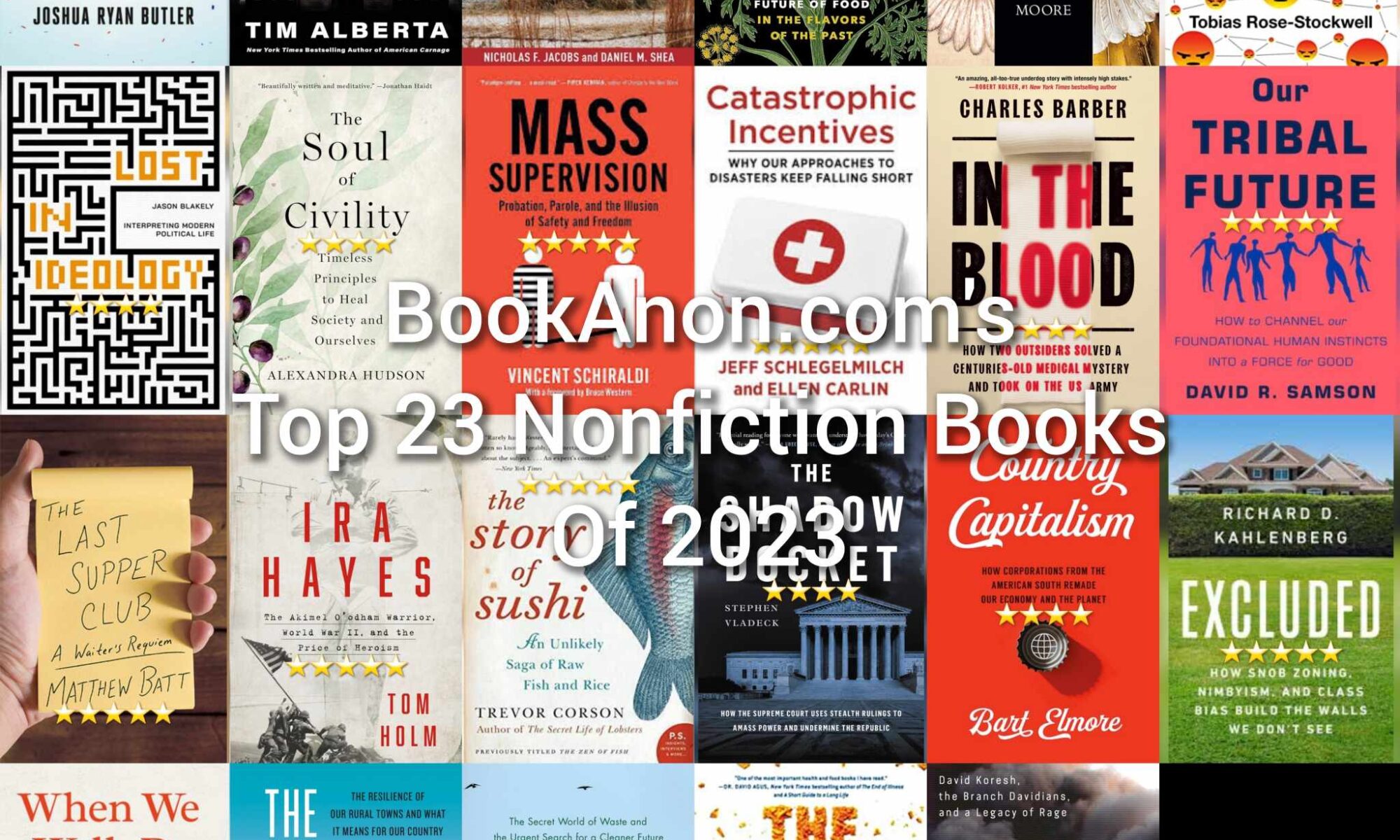
BookAnon.com’s Top 23 Nonfiction Books of 2023!

I wound up reading 180 books this year, so culling those down to even 46 was a bit of a challenge. I really do encourage you to check out them all, even the ones I rated as 1* are ones that you may enjoy, should you disagree with my thoughts on the books at hand.

With that noted, here are the 23 nonfiction books that stuck out the most to me this year. Listed in the order I read them in, which *mostly* means publication order, but not *completely* – indeed, at least one of the below isn’t a 2023 release and wasn’t an ARC! (SHOCK!!!)
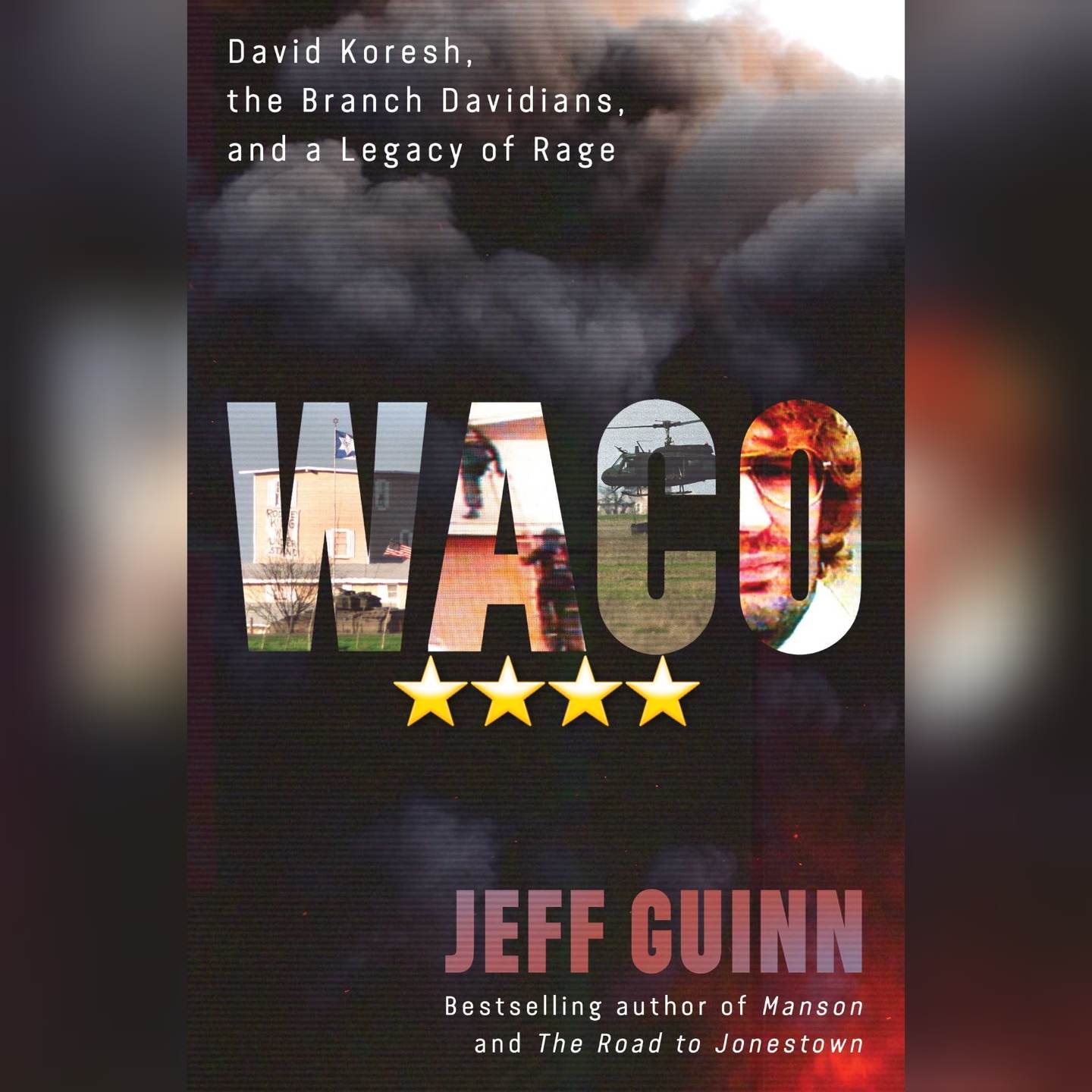
Waco by Jeff Guinn
From my review on BookHype.com:

And then we get a near second by second play by play of exactly what went down and when and by whom, told from both sides and clearly showing when the evidence seems to support one side or another and when each side differs in their views and exclusive claims. This is no celebration of the man who called himself “David Koresh”, nor is it a celebration of the various police agencies and politicians and political appointees who executed the raid. Instead, it is a remarkably balanced look at just how these people came to be where they were and what happened when these two groups came to such explosive conflict. It is a remarkable look at how a clearly gifted orator could become so twisted in his own thinking – and use his gifts to twist the beliefs of so many, including some who continued in these beliefs long after the orator himself was dead. It is a remarkable look at the mistakes made by each side of the conflict and just how many points there were where history could have changed for a more peaceable outcome. It is truly a remarkable tale of the entire event seared into the American zeitgeist as simply “Waco”.
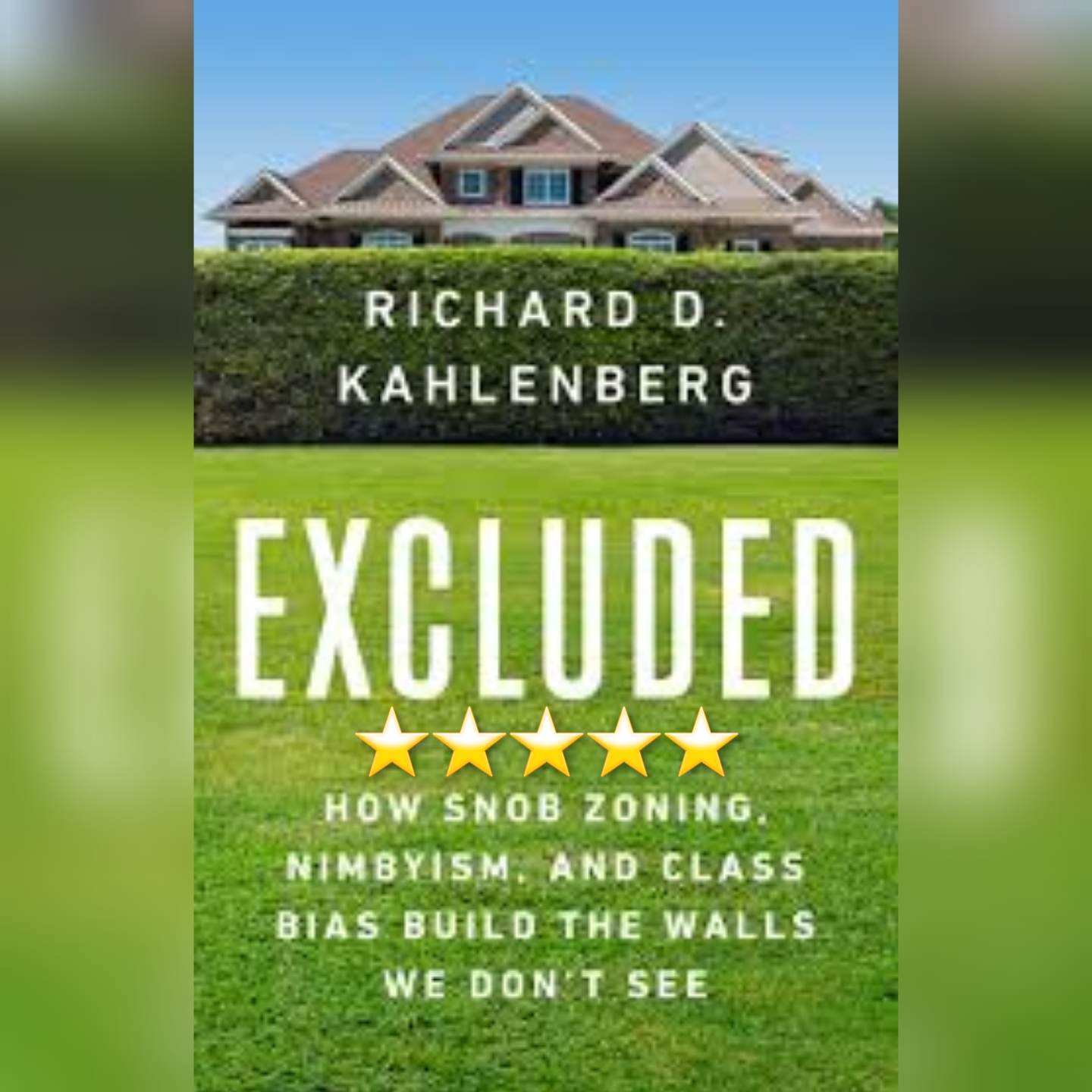
Excluded by Rochard D. Kahlenberg
From my review on BookHype.com:

this is one of the better documented texts I’ve read in quite some time, clocking in at about 37% documentation. And given its claims that some might find extraordinary – such as “In a 2014 analysis, one researcher found that the level of segregation between poor Black and affluent Black families was actually greater than that between Black families and White families” – the extraordinary documentation is needed in order to more fully prove the case, which Kahlenberg does quite well indeed here. As Kahlenberg notes early, zoning isn’t really something most Americans think about too much unless they happen to buy a piece of property (and how many of us actually do that these days??) and have some issue with the local zoning board. But zoning directly impacts the availability of housing – which is something quite a few Americans are worried about in the early part of the 2020s. Kahlenberg pulls no punches here, and shows how elites – no matter their Party or race – have been using these issues to overcome previous (and wrong and correctly outlawed) race-based barriers.
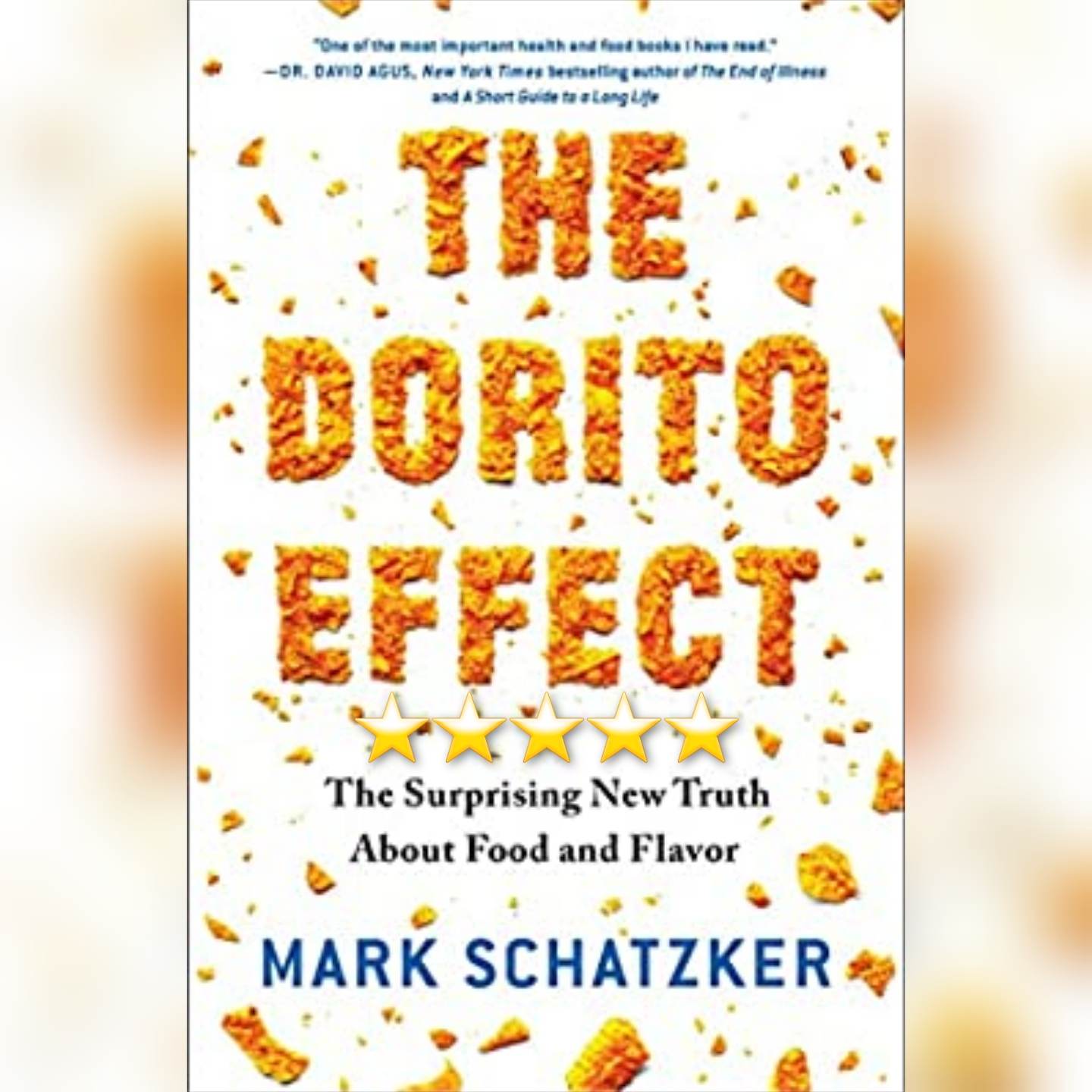
The Dorito Effect by Mark Schatzker
From my review on BookHype.com:

Schatzker was also remarkably *balanced*, decrying Big Food and Big Ag for their efforts that led to blandness and loss of flavor over the last several decades while acknowledging that these same efforts are what has enabled humanity to continue to feed itself – and applauding these same groups’ efforts to re-introduce flavor while maintaining as much modern yields as possible. Even here though, he does note – and *arguably* seem to take a touch of glee in – the idea that flavorful, more nutritious foods will always be a few multiples more expensive than more bland, less nutritious foods. Which yes, does allow at least a potential perception of classism, though I note here that I never really felt he was being classist so much as simply a gourmand passionate about truly great food. Indeed, the final pair of chapters, structured around his efforts at a “perfect meal” of sorts, brought the entire narrative together quite well while also being quite visceral in its love of both that meal and telling the tale of it.
Country Capitalism by Bart Elmore
From my review on BookHype.com:

Ultimately this truly is a seemingly solid history, if from a leftist perspective, and actually exposes something I suspect I’ve *known* of for a while without realizing the full extent of the problem – a problem Elmore exposes here while proclaiming it to be a great and beneficial thing – and that is the problem of lobbying not in Legislative Halls but in Corporate Boardrooms. Of lobbying interests attacking not elected legislators, but CEOS and others in power of corporations that, thanks to the corporatism described in this text, have power that in many ways rivals – and arguably even exceeds – that of elected officials.
Our Tribal Future by David R. Samson
From my review on BookHype.com:

Here, Samson discusses the history, biology, and sociology of our “Tribe Drive” – ongoing and apparently bleeding edge research in all three fields – and shows how it has brought us to where we are… and how we can better utilize it to achieve a more peaceable and prosperous future for all.
Wasteland by Oliver Franklin-Wallis
From my review on BookHype.com:

But what Franklin-Wallis *does* cover, he truly does cover in remarkable depth and clarity, using a combination of direct interviews and scholarly research to give both a human face to each particular issue and ground it in its full severity. This books is truly quite eye opening in several different respects, and will likely greatly add to the overall discussion of the topic… assuming enough people read it. Which is, in part, where this review comes in. Go read the book already. 🙂
The Shadow Docket by Stephen Vladeck
From my review on BookHype.com:

there isn’t a political “side” in current America or American history that is fully blameless in enabling or using this bad behavior, and Vladeck shows this quite well indeed and indeed seems to be a fairly objective-ish student and teacher of legal history. For such a dense overall topic, Vladeck handles the telling of the tale quite well, such that even people who have barely ever heard of the Supreme Court of the United States of America will be able to clearly see what the current problem is and how we got to this point and why both of them matter.
In The Blood by Charles Barber
From my review on BookHype.com:

Barber, through a seemingly episodic format where he provides brief biographical sketches of each of the key players in the unfolding drama while keeping the narrative squarely focused on Hursey, Gullong, and their products, tells a story at least as motivational as anything has ever been told about Turing’s own life. A story of a almost literal garage inventor who finds and develops a substance that has literal world changing powers. A substance that can make battlefield – or anywhere else – traumas far more survivable, by finally solving a problem humanity had never before solved in its known history – how to stop mass bleeding. This is the story of how Hursey and Gullong found, developed, and marketed the substance to the US military – and then later found mass market appeal in nearly every segment of the economy that might find a desire to stop a potential bleed out. Including, per Barber, Taylor Swift having it near her at all times in the case of an attack at one of her concerts.
Outrage Machine by Tobias Rose-Stockwell
From my review on BookHype.com:

while the overall premise about the titular Outrage Machine seems sound and the explanations directly on it seem fairly spot-on, Rose-Stockwell uses the sciences, history, and even semi-current events in a way that actually brings to mind the practice rampant in the Christian nonfiction space known as “prooftexting”, wherein Bible verses are cited outside of their context, and often even contrary to their original context, in “proof” of some point or another. Here, Rose-Stockwell does this with the sciences and history, both near and far. Yes, many of the examples he cites seem at least somewhat relevant, but even in the most relevant of them (such as his discussion of COVID), he ignores and even denigrates needed context which deviates from his intention.
The Overlooked Americans by Elizabeth Currid-Halkett
From my review on BookHype.com:

Wokeism (n): The Tendency Towards Social Justice Turned Toxic. Got your attention with the headline here, right? Good. Now sit down in that chair right there and let me show you how “it’s done”. When you get beyond David Auerbach’s Meganets, when you get beyond Tobias Rose-Stockwell’s Outrage Machine, when you get to the *person* you think you so adamantly oppose… … what happens when you find out that while they may come from a different culture than you, the human condition remains the same across cultures, and ultimately they share quite a bit of commonality with you? What happens when you find out the monster at your door, the horrid kaiju that is threatening your children and your very way of life… … is just another person who is just trying to protect his own way of life and his own kids, who thinks that *you* are the horrid kaiju threatening *his* kids and way of life? What happens when you stop shooting at each other for just one minute… … and find out that you had far more in common than you ever had different all along?
The Story Of Sushi by Trevor Corson
From my review on BookHype.com:

This was an interesting approach to the topic of sushi where rather than just look to how sushi is prepared at the time of the writing of this book (18 yrs ago as I write this review) or just the science and history of the various elements of sushi, Corson instead used the case study of a particular group of students learning how to make sushi at a particular school at a particular point to then springboard from there into the history and the science. He does both quite artfully, though the contemporary scenes he describes feel a touch dated nearly twenty years later, as Corson describes sushi in both Japan and America as on the cusp of either greatness or collapse here.
Catastrophic Incentives by Jeff Schlegemilch and Ellen Carlin
From my review on BookHype.com:

Overall a solid and informative look at a lot of aspects of disaster response – and particularly disaster response coordination – that most even within the field probably aren’t fully aware of, and for this alone it is absolutely essential reading for anyone who may ever experience a disaster. Which is everyone, everywhere.
Losing Our Religion by Russell Moore
From my review on BookHype.com:

Welcome Back, Dr. Moore! For roughly a decade now, the once-phenomenal Dr. Russell Moore has been either a shill for SBC Leadership in his role as head of its Ethics and Religious Liberty Commission or embroiled in controversy over his rabid anti-Trumpism. Here, while not *completely* stepping back from either position, Moore does an excellent job of calling American Churchianity – not just the SBC, but *all* of American Churchianity – back to a focus on Christ, Him Crucified, and Spreading the Gospel. Full of Southern aphorisms that even this native Son of the South rarely heard in the exurbs of Atlanta, despite being barely a decade younger than Moore, this text also shows just how knowledgeable and insightful Moore at his best can show himself to be. And yes, while allowing that he is still wrong on a few positions (which I’m sure he and others would disagree with me over), this really is a return to the best of Moore, the Moore that made me at first *excited* that he was taking over the ERLC.
When We Walk By by Kevin F. Adler and Donald W. Burnes
From my review on BookHype.com:

At the end of the day, there are very clear differences in how the authors here and I approach this (and likely many) issue, and I suspect that will be true of many who read this book as well. But if you’re interested in the issue of homelessness at all, if you’re truly interested in trying to help end this problem, if you’re searching for something you can personally do to help, if you’re looking for ideas to work at any level to assist… you should read this book. It really is quite a solid primer, despite the authors’ clear bents, and at minimum it will help you avoid pitfalls that are far too common even among those with quite a bit of experience working within these communities.
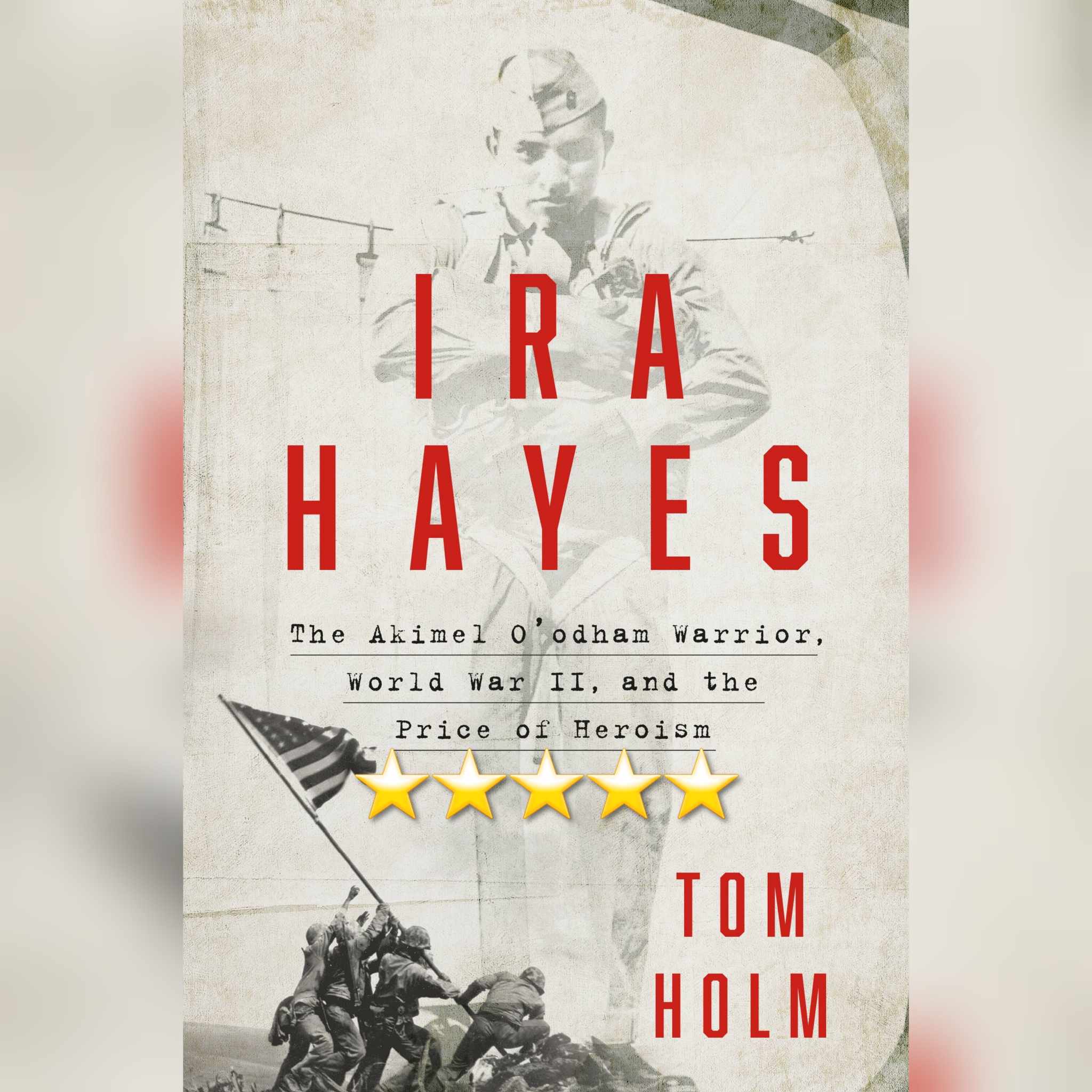
Ira Hayes by Tom Holm
From my review on BookHype.com:

Holm does a remarkable job of showing the history that created Ira Hayes, one of the six men immortalized forever in “The Photograph” of the American flag raising at Mt. Suribachi on Iwo Jima during the WWII battle which became the basis of so many memorials… including a not-small one in Washington, DC. As with the better history books, Holm shows the relevant histories that lead into the famous events at hand- and the biography and histories of the fallout of the events, including the various impacts to both the man Ira Hayes and the cultural icon/ touchstone Ira Hayes. Yes, including the various movies, the various incarnations of The Ballad of Ira Hayes (including the Man in Black’s), and even discussing the book The Flags of Our Fathers and its movie incarnation as well. At 22% documentation, it is reasonably well documented, and there are no overly startling revelations here – though there is perhaps much new knowledge, depending on one’s own knowledge set when coming into this book. For example, the histories of the Akimel and Apache wars and interactions, and even how they waged war (both the weapons involved and the tactics and ceremonies) was new knowledge to me – and utterly fascinating.
Mass Supervision by Vincent Schiraldi
From my review on BookHype.com:

He is also clearly a New York Liberal Elite… and this flavors his overall discussion quite heavily. Still, that is a more “your mileage may vary” level, and like with the more libertarian bent of Rise of the Warrior Cop… you need to read this book anyway, no matter your politics, if you truly want to be informed of the scope of the actual problem here. Yes, the “solutions” tend to essentially be “take money from prisons/ courts and give it to these other areas” or even simply “give more money to these other areas”, as one would expect from a New York Liberal Elite, but there are also quite a few realistic and useful approaches, such as Schiraldi’s discussion of having his offices switch from in person check-ins to computerized check-ins that both saved money and allowed a greater opportunity for those under his supervision to comply with the relevant controls.
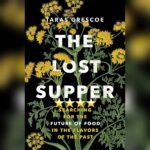
The Lost Supper by Taras Grescoe
From my review on BookHype.com:

this is a truly great book that foodies in particular will absolutely love. Given the literal hundreds of different shows about food and culinary pursuits, including several actively traveling around the world highlighting various dishes and techniques just as this book does… clearly there is a market for exactly this kind of tale, and this one does in fact appear to work perfectly within that market.
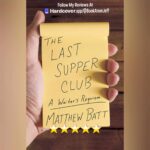
The Last Supper Club by Matthew Batt
From my review on BookHype.com:

This is a memoir of one of those moments in one man’s life where he was just looking to make a buck and make sure his family was ok… that turned into something he found he loved doing. After it ended, this book has become his love song to that period in his life, that place, and those people. And yes, Batt discusses his entire life, including touching on what he is doing outside the restaurant quite a bit. But even when the tale leaves the restaurant, it never strays too far… and it always comes back fairly quickly. Overall a poignant tale that will leave you looking back on the similar periods of your own life.
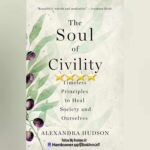
The Soul Of Civility by Alexandra Hudson
From my review on BookHype.com:

This truly is an exceptional, bordering on transcendental, examination of the history and nature of civility, with plenty of real-world applications that are sorely needed – and truly challenging for even the most committed of us. This is one of those books that is going to challenge you to be better in ways that few outside the overtly religious texts manage to do, and it is one that is largely going to leave you with a smile even as it calls you out.
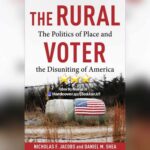
The Rural Voter by Nicholas F. Jacobs and Daniel M. Shea
From my review on BookHype.com:

Now, as to the actual text at hand for this review: It really was quite remarkable. Don’t let the three star rating fool you: this is a book that you *need* to read if you hope to have any remotely accurate understanding of politics in the United States, as it is the singular best book I’ve found to date on just what makes its titular subject a truly distinct class. In likely north of 90% of the time, I can tell you straight up that no matter what you *think* the rural voter is or how you *think* they vote or what you *think* they value… you’re more than likely wrong. Read this book to set your facts straight, and proceed from there as you will.
Lost In Ideology by Jason Blakely
From my review on BookHype.com:

Showing the history and development of each “map”, as Blakely calls them, (but without much documentation – more on that momentarily), Blakely does a remarkably balanced job of showing each school of thought in as close to a neutral fashion as may be possible – extremists within any given school may think he didn’t present “their” side good enough, or perhaps shows “their” enemies in too good of a light, but from an objective-ish position, I stand by my statement of just how neutral he really is here. And yes, I really do think this should be required reading for every US voter before really even deciding who ultimately to vote for in any given election, as this book is truly a solid primer on the various ideologies used throughout the US and their various offshoots and intersections. Truly, it will allow each individual to better understand even those they disagree vehemently with, and ultimately a voter that better understands everyone is a better informed voter, period, who ultimately would at least have the ability to make a more fully informed decision.

The Kingdom, The Power, and The Glory by Tim Alberta
From my review on BookHype.com:

Structured in the wake of Alberta’s father’s death – a prominent megachurch pastor in Michigan – and some rather nasty political comments some Alberta had known for many years made to him in those darkest of moments, this book travels the United States – and even goes briefly abroad – examining the ways American Evangelicals have allowed the lure of politics to sway them, how some are fighting back, and what others are doing in response. It is a darkly hopeful tale of somehow, someway, potentially maybe clawing back to some semblance of historical Christianity that the American Church has long lost, and the overall narrative here is actually rather solid.
The Party Crasher by Joshua Ryan Butler
From my review on BookHype.com:

Overall though, this is yet another of those books that, particularly going into a Presidential election year with all of the hand-wringing, arguments, and outright vitriol that includes in the modern era of American politics (and every era, according to other works I reviewed a few years ago such as James Morone’s Republic Of Wrath), every single member of every single American Church – no matter the individual’s politics or the church’s faith traditions – *needs* to read. Short at just 220 or so pages – over 22% of that being bibliography and discussion questions – this is written in a fairly conversational style such that one could easily envision Butler speaking this entire book into existence over the course of probably a couple of months or so of sermons. The included discussion questions, both at the end of each chapter and at the end of the book, foster a great deal of introspection and, in the case of groups, discussion, and could genuinely go quite a way to at least moderating the vitriol of this and hopefully future campaigns.