
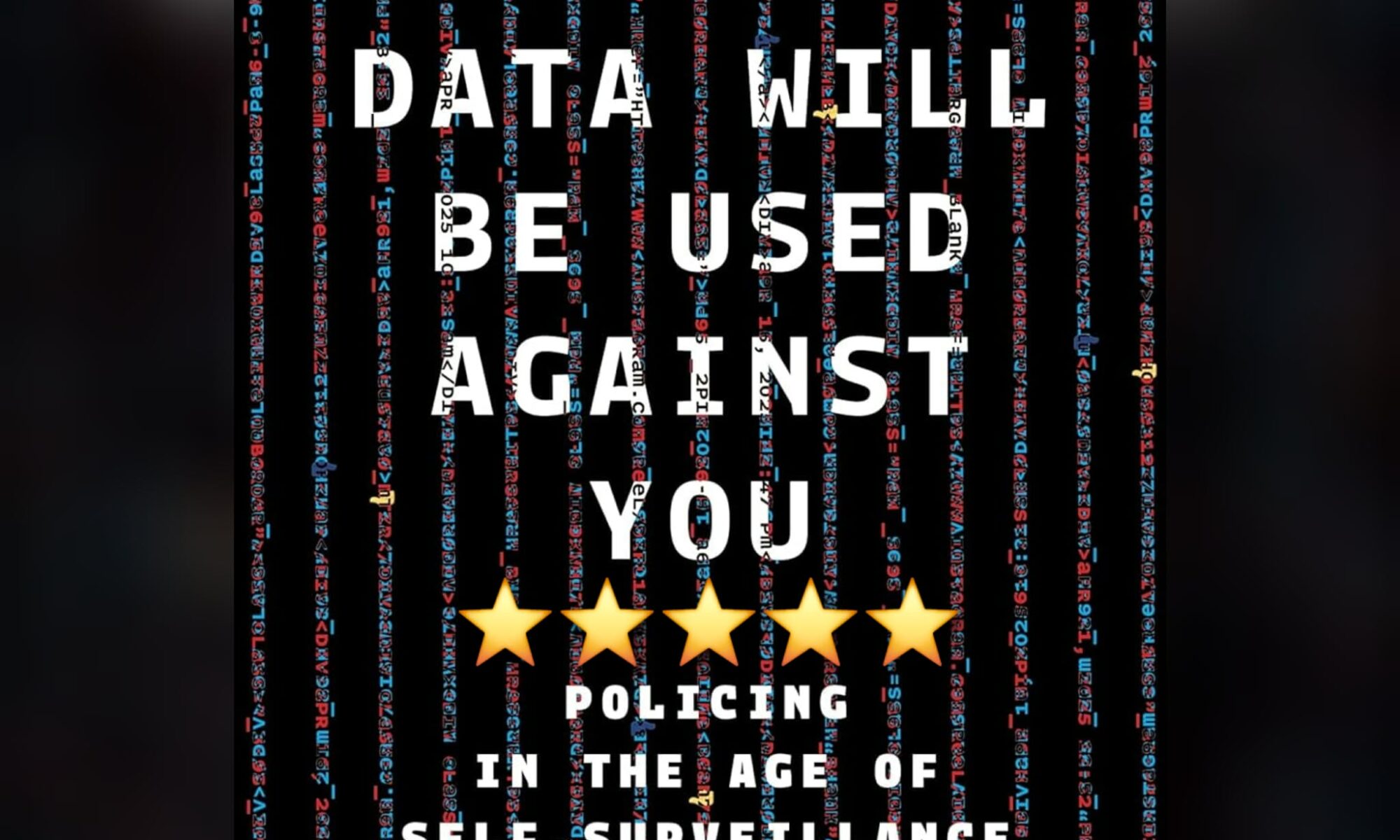
If You See This Review, You Should Be Terrified. I’m a Xennial. I’ve grown up with computers. The Net first became a public thing when I was 10 yrs old, and within a decade I would complete a Bachelor’s degree in Computer Science. I’ve known all along that privacy online was more theater than fact, no matter how careful you are – that if it has a computer chip, you’re safer to assume it is tracking you than not, and that someone you may not like will likely be able to access that data.
Even knowing this almost as long as I’ve known anything… Ferguson makes clear just how much worse it actually is, from a legal perspective. *Even in* the United States, where we “supposedly” have 4th, 5th, and 6th Amendments to the Constitution of the United States rights limiting government searching of our data and how it can use the results of such a search.
While Ferguson doesn’t address at all how very eroded and damn near paper thin those Amendments have become over the last 250 yrs of jurisprudence, he makes it all too crystal clear that the words on the papers haven’t kept up with the actual technical capabilities, and because of this, many of the things that once kept your written words on paper safe or even your words to certain people safe no longer protect you in this digital era *at all*. Indeed, quite the opposite – many of the exceptions to those earlier forms that actively limited what government was allowed to do are instead now the rules that give government nearly unlimited abilities to search your data without even having to get a “warrant” rubber stamped.
Indeed, another of Ferguson’s large points throughout this text is just how little privacy you have *specifically* when a warrant is signed… and he even tosses a point or two in about the “qualifications” needed to be able to sign such a warrant. (There are basically none to be a Magistrate Judge in particular.)
While all of this is utterly terrifying – and Ferguson goes to great lengths to show that this *should* be terrifying no matter your own personal political bent -, Ferguson does actually offer paths forward at every level that could at least begin to alleviate many of the concerns he details. He even goes so far as to note which ones are likely more politically palatable within the current system and which ones would do more to actually alleviate privacy concerns… but which are also far larger hauls in the current political environment.
Overall this is absolutely a book every American should read, and indeed anyone globally who thinks of America as the “land of the free”. Ferguson shows here that this “freedom” is illusory at best, particularly in the current world environment.
Very much recommended.
This review of Your Data Will Be Used Against You by Andrew Guthrie Ferguson was originally written on December 22, 2025.
