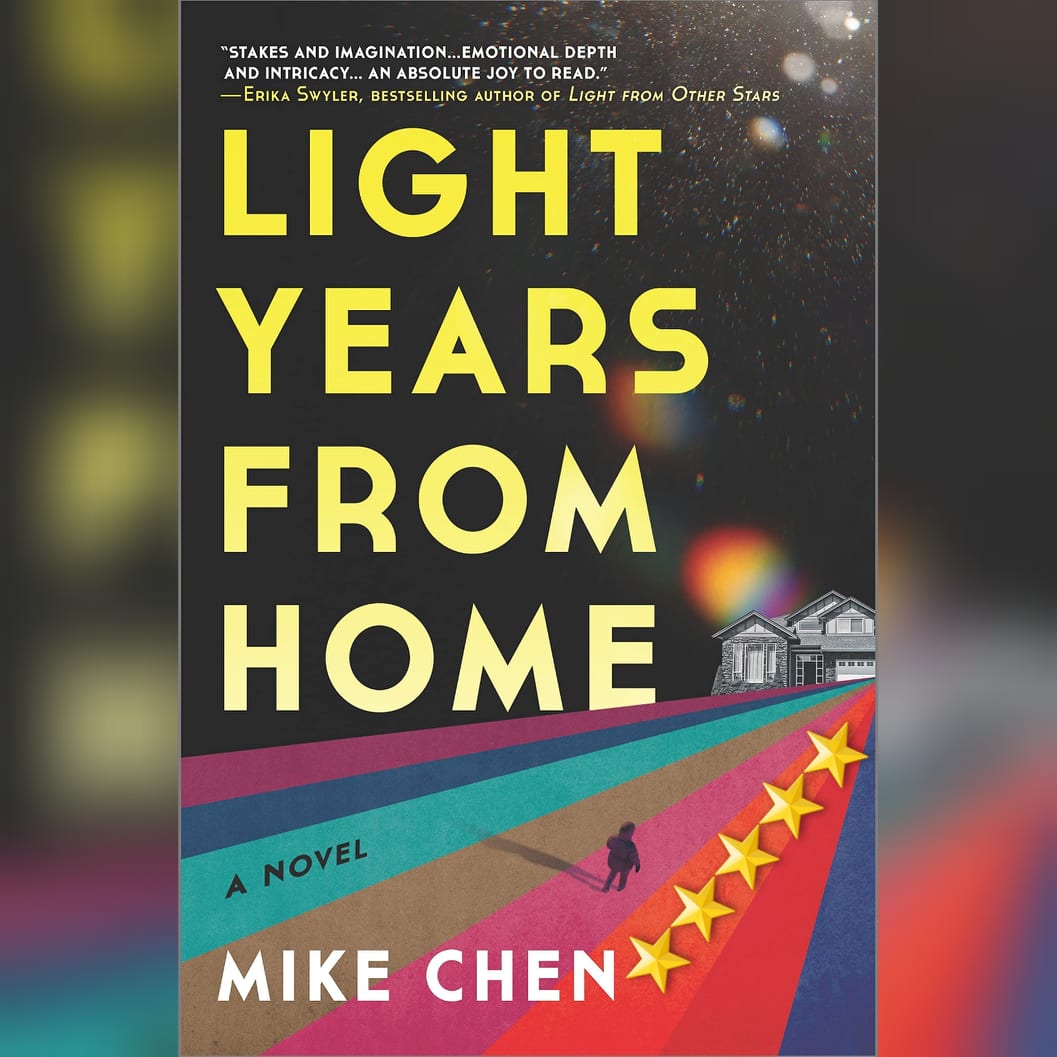
#BlogTour: Light Years From Home by Mike Chen

For this blog tour we’re looking at a strong tale remiscenent of both the X-Files and ET: The Extra Terrestrial where scifi is used more as setup for women’s fiction level family drama, but which is still strong enough to comfortably classify the book within the bounds of scifi as well. For this blog tour we’re looking at Light Years From Home by Mike Chen.

Space Opera Scifi For The Women’s Fiction Crowd. This is one of those books where you go into it expecting a lot of scifi… something. Drama, action, maybe comedy, whatever. Instead you get scifi as setup for more women’s fiction type family drama. Which is actually an interesting spin, but which will leave both crowds a bit perplexed. Overall though, Chen actually serves both crowds quite well, with enough of an off-screen hint of a backstory that he could come back to this world and give it the full-on Richard Phillips’ Rho Agenda-style trilogy of trilogies exploring just the stuff he left *off* the page in this book – and yet what he *does* put on the page is truly solid women’s fiction where brother and father’s disappearances set in motion chains of events that mother nor either daughter could have ever dreamed of. Most of the actual tale here is more about the two sisters and how their lives have changed since that moment 15 years ago – and how they can move forward. The climax, with the FBI hot on the siblings’ tails as they race toward brother’s ultimate redemption, is as taught as anything in scifi and is reminiscent of both X-Files (the author’s stated inspiration) and even ET: The Extra Terrestrial. Truly an excellent tale strongly told, and very much recommended.

After the jump, an excerpt from the book followed by the “publisher details” – book description, author bio, and social and buy links.
Continue reading “#BlogTour: Light Years From Home by Mike Chen”
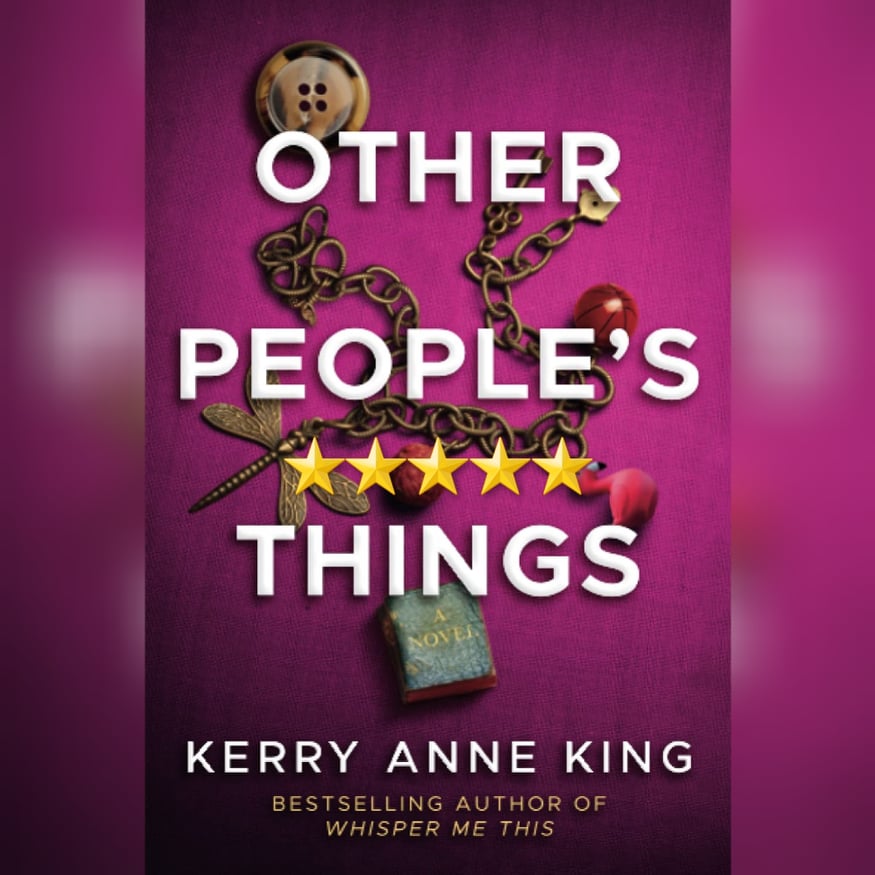
Featured New Release Of The Week: Other People’s Things by Kerry Anne King

This week we’re looking at one of those books I love to find where an author takes a topic usually seen as “other” and shows just how human – and how powerful – it can be. This week we’re looking at Other People’s Things by Kerry Anne King.

Here’s what I had to say on Goodreads:

New Wrinkle On Oft-Derided Issue. I don’t suffer from kleptomania myself, but as someone who is Autistic and is interested in unique takes on various issues society deems “mental disorders”, I always appreciate books that can take a topic that is often derided and make it much more “human” and much less “other”. Here, King does just this, and she does it in a whimsical manner that has its share of tragedy as well. An excellent book that rarely takes the “conventional” route, and yet tells the story of how one person’s “mental disorder” can actually work to be a very positive thing when the person learns to truly harness her power.. Very much recommended.

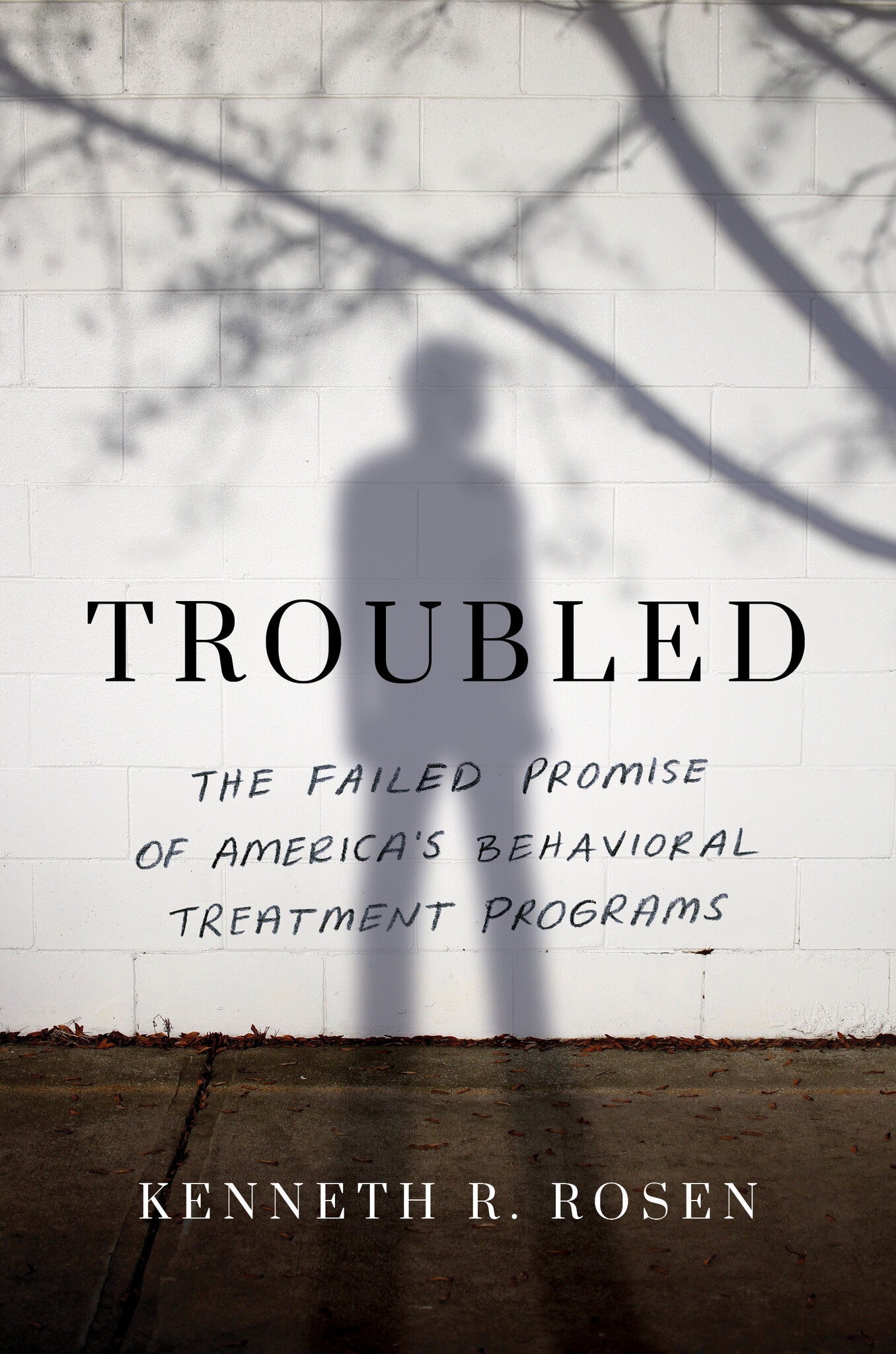
Featured New Release Of The Week: Troubled by Kenneth R Rosen

This week we’re looking at a troubling – yet anecdotal – tale that bears further research. This week we are looking at Troubled by Kenneth R Rosen.

Here’s what I had to say about the book on Goodreads, and below that I’ll have a confession about a degree of a personal connection. 🙂

Tragic. Rosen uses case studies of four particular people and their experiences with wilderness re-education camps (and residential, boarding school style similar institutions) to paint a truly tragic picture. On an anecdotal basis, these camps seem horrifying in an Orange Is The New Black kind of way – an in depth look at the what really happens to some individuals. For what it is – these anecdotal experiences with a few claims backed up with the barest of bibliographies – it really is a strong read and a needed one. However, I would welcome a much more comprehensive, and cited, further examination along the lines of Radley Balko’s Rise of the Warrior Cop or Michelle Alexander’s The New Jim Crow. Because this particular topic, based on the strengths of these particular anecdotes, seems to warrant such an investigation. Very much recommended.

And here’s my personal connection to the book, such as it is:

Back during my personally-infamous “Year of Failure”, when virtually nothing was going right in my life, I actually worked at a Wilderness Education Camp for a month. In the middle of summer. In the mountains of North Georgia. (And, in my final week with that long-defunct company, the tidelands of the Big Bend area of Florida.) I thought, based on my own history, I might be able to make a difference in this type of environment, working with these types of kids. I quickly learned otherwise, but the overall experience – over 15 years ago now – was remarkably memorable in many ways, and indeed some of the lessons I learned there prodded me in directions that came to dominate at least some of my thinking for the past 15 years and, possibly, for the remainder of my life. So I personally look back on my own time in such a camp with a degree of fondness, and yet I can very much understand the tragedy of what these camps did to at least some kids. (To be perfectly clear, in my month there I never personally witnessed anything remotely like what Rosen describes in this book. One situation I personally witnessed involved a kid storming off on his own through the woods, and a counselor having to track him and try to talk him into rejoining the group. Another I learned about from the person it happened to after the fact was when a kid brought a copperhead into camp, proud to show it off. The counselor – who was originally telling me this story when I found him in the counselors’ cabin after having been to the Emergency Room over this – told the kid to bring the snake to him. The counselor got the snake from the kid, “calmly” walked over to a nearby cliff, and proceeded to try to toss the snake out of camp and off the cliff. Whereupon the snake wrapped down and bit him on the leg – resulting in the ER trip. But these are the only two incidents I remember of my time there that are even remotely similar to what Rosen describes.)