
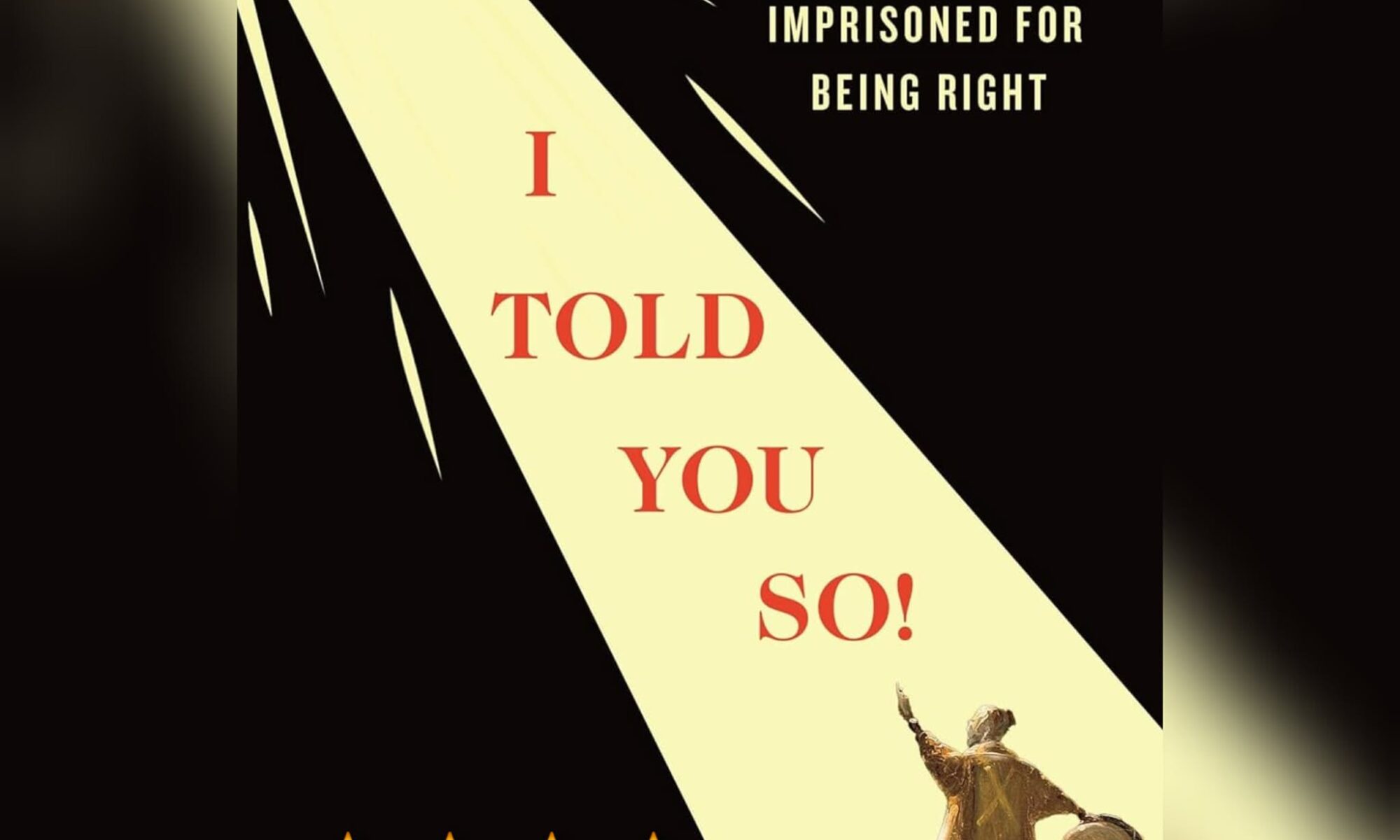
Interesting History That Can In Fact Comes Across As Extended Ad For Author’s Day Job. I was perusing the existing reviews on Goodreads as I sat down to write this review, as is my custom, when I saw a 2 star review mention that this book felt, to that reviewer, at least partially like an extended ad for the author’s day job as a science reporter for The Economist and actually agreed with that point in retrospect.
Written almost as much in a memoir style as even a popular science history type book – the author’s bread and butter for twenty years now both in articles for The Economist and in books on various topics over the years, if you didn’t know (see what I did there? 😉 )- this is actually the second book this month I read that dealt with a Hungarian physician named Ignaz Semmelweiss and his pioneering antiseptic work in the 19th century, with the other being The Great shadow by Susan Wise Bauer, about the history of sickness and healing more generally whereas Kaplan’s text here focuses more on how right Semelweiss was… and how much a price he paid for being the one man that was beginning to get at least something right in an era when The Establishment (to use a more modern phrase) was oh so very wrong.
Semmelweiss’ story is the binder of this narrative, but along the way we encounter a few others similarly situated, from the famous (Galileo, Lister (whom Listerine is named after, to give those who may not be familiar with the name an idea of why it may be significant), and Pasteur, among others) to the more bleeding edge and let’s say not-yet-as-globally-famous, even though this modern set has at least one Nobel Prize winner among it and one who was essential in the creation of the COVID 19 vaccine.
The history is well written – as should be expected with someone of Kaplan’s experience – and doesn’t shy away from relevant facts that may make the historical figures look not so great in modern eyes, yet the modern is, while still well written, perhaps a touch *too* personal, offering insights into Kaplan’s own training and direct interactions with some of the subjects he is profiling. This is where the more memoir aspects of the tale kick in, and again, these are still well written and engaging, they just don’t share the same psychological distance as is notable when Kaplan is writing of Semmelweiss and others.
Still, the only reason for the star deduction is, as long time readers of my reviews of nonfiction books can probably already guess, a lack of documentation, clocking in at just 12% of the overall text here, just shy of the 15% or so of even my more recent more relaxed expectations on this point after having read quite a few nonfiction Advance Review Copy books over these last eight or so years.
Overall though, the book is truly fascinating and brings to light quite a bit of obscure history of the last few hundred years, and does a great job of making the points Kaplan is trying to make quite clear without veering too deeply into preachiness. Most readers will likely learn quite a bit from reading it, and have a generally pleasant experience doing so.
Very much recommended.
This review of I Told You So by Matt Kaplan was originally written on January 30, 2026.