
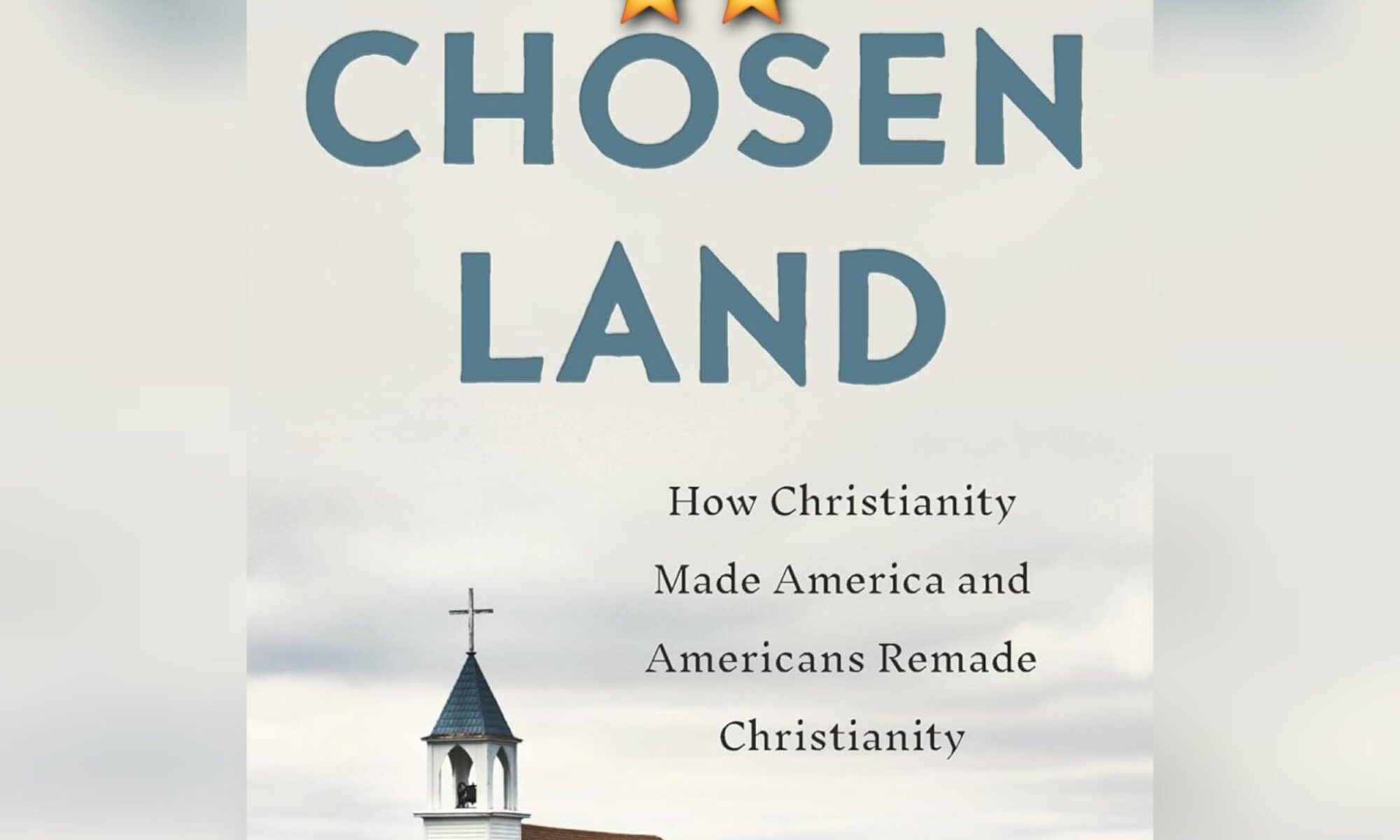
“His Assessment Told Only Half The Story”. Yes, this is a direct quote Sutton used in this book… and also quite possibly the most succinct summary of this text available. Despite having an ambitious premise with a rather large page count to expound upon it, Sutton here still manages to omit or dismiss key figures and movements when he deems them problematic (Lottie Moon, the Student Volunteer Movement, and Annie Armstrong), fails to show moderating actions by groups he opposes (the Southern Baptist Convention in particular), and fails to show similar controversies involving those he generally supports (black prosperity gospel preachers TD Jakes and Creflo Dollar) while showing in some detail at times the controversies of those he opposes.
And yet, despite all of this – and particularly for those who align with Sutton’s progressive biases – there is enough here that you are likely to learn something, almost no matter how much you know about the history of Christianity in the United States.
For those who know no better, Sutton’s history here shows at least one version – a significantly biased one – of the history of American Christianity that largely downplays or outright omits much of the history of Christianity in the American South, including the efforts of Lottie Moon and Annie Armstrong in the era around the turn of the 19th century into the 20th in particular. Through this period, more focus is placed on the religious developments of the enslaved or formerly enslaved, even when other leading figures – such as first female US Senator and last formerly slave owning US Senator Rebecca Latimer Felton – were pivotal through this period. Further, key Southern revivalists such as Sam Jones are omitted entirely, even when similarly situated and influential black, Northern preachers are later discussed and even when discussing white Northern predecessors and successors to Jones’ style, such as Billy Sunday (the real one that the fictional character played by Robert De Niro in Men of Honor claimed no relation to) or Billy Graham.
And yet, for those who perhaps don’t know much about the history of American Christianity at all… there is truly enough here that warrants reading this book. As I noted above, you’re truly going to learn at least a little. You just also need to treat this as a biased primer and actively seek out a more complete picture, including from original sources such as Felton’s Country Life in Georgia In The Days Of My Youth or Jeff Guinn’s excellent chronicle of the siege at the Branch Davidian compound, Waco.
Ultimately, the star deductions are for a lack of bibliography, clocking in at just 10% of the overall text available in the Advance Review Copy edition of the book I read, the stark omissions that show only part of the overall premise, and the bias bordering on bigotry against anything white and/ or conservative that is so pervasive throughout this text.
One final curious note is that deep in the text, in the penultimate chapter to boot, there is a brief chronicle of one particular pastor named Doug Wilson who holds a very distinctive view of Christianity…. and who lives in and “took over” the next town down the road from Sutton’s base at Washington State University. While there is no public record of any animosity between the two, the lack of balance and clear bias towards perspectives even remotely similar to Wilson’s seems more than coincidental – though again, to be crystal clear, there is *zero* public evidence to support this. Still, that particular passage made me wonder, and I leave it to you, the reader of my review and possibly reader of Sutton’s book, to draw your own conclusions there.
Those that have a conservative lean to their politics and/ or religion are likely going to want to defenestrate this book long before completing its 600 ish pages. Don’t. There really is enough through most of this text that you’re going to learn something. Those who lean more in Sutton’s direction will likely praise this book quite highly. Again, I leave it to you, the reader of my review, to decide for yourself whether to read this book or not, and I do hope that if you decide to read it at all – even if you wind up DNFing it – that you’ll leave your own review and tell all of us what you thought of the text and why.
Recommended.
This review of Chosen Land by Matthew Avery Sutton was originally written on February 25, 2026.