#BookReview: Never Out Of Season by Rob Dunn

Interesting Yet Only Tangentially Related To Title. This is a book primarily about plant pathogens and the history of the study of plants and specifically their pathogens, mostly centering on the roughly 200 ish years between the beginnings of the Irish Potato Famine in the mid 19th century to the bleeding edge research being done by Dunn and other scientists in the later early 21st century. Dunn bemoans the fact that the food supply of the world basically comes down to a dozen or so key varieties of key species in the beginning… while later backdoor praising that very same thing as saving the world from certain pathogens, at least – as Dunn claims- “temporarily”. Overall the book, at least in the Audible form I consumed it in, was engaging and thought provoking, and despite being vaguely familiar with farming due to where and when I grew up, Dunn highlights quite a bit here that I was never aware of. Things that adventure authors like David Wood, Rick Chesler, or Matt Williams could use as inspiration for some of their stories – but also other real world events that could serve as inspiration to Soraya M. Lane and other WWII era historical fiction authors. Ultimately the book becomes quite a bit self-serving, highlighting work done by Dunn and his colleagues and friends in the years preceding writing the books. And yet, again at least in Audible form, there was nothing truly objective-ish wrong here to hang a star deduction on, and thus it maintains its 5* rating. Recommended.

This review of Never Out Of Season by Rob Dunn was originally written on November 28, 2022.

#BookReview: The Battle For Your Brain by Nita A Farahany

Well Documented Examination And Discussion. This book is, quite simply, one of the best documented books I’ve ever come across – 48% of the text of the ARC I read months before publication was documentation. Within the narrative itself, Farahany does a great job of using the principles espoused in John Stuart Mill’s 1859 book On Liberty as a recurring touch point on the need for liberty of the mind and brain – the last bastion of true privacy left in this increasingly interconnected world of multiple overlapping surveillance systems. Farahany does an excellent job of showing both the biological and the social side of what is happening when, and the various implications it can have for everything from criminal prosecution to employment, and many other topics as well. Written from a decidedly libertarian, pro-freedom perspective, this is absolutely a book that everyone will need to read and contemplate. Very much recommended.

This review of The Battle For Your Brain by Nita A. Farahany was originally written on October 1, 2022.

#BookReview: Force by Henry Petroski

Solid Exposition Of Applied Physics. This book truly is one of the better written, more approachable books on applied physics for the “layman” that I’ve come across. It takes most every easily observed physical force, from a simple push to gravitational to magnetic to torque and beyond, and explains the basics of the known history and science behind them all, and it does this in a very conversational and even, at times, humorous tone. Truly, a great book on the subject for those who either don’t know much or simply want an easy and lighthearted look and things they mostly already know.

The two star deductions are more of a standard form for me, and don’t actually speak to the overall nature of this book *too* harshly: The first is because of the COVID discussions in both the early and late parts of the text. *I DO NOT WANT TO READ ABOUT COVID. PERIOD.* And I am waging a one-man war against the topic everywhere I encounter it in booklandia. The single star deduction is really the only weapon I have in this war, so it is used where applicable. The other deduction is the short-ish bibliography, clocking in at just 14% of the text here when 20-30% is more normal of such texts in my experiences.

Ultimately this really was a great and engaging look at its topic, and it is very much recommended.

This review of Force by Henry Petroski was originally written on September 11, 2022.

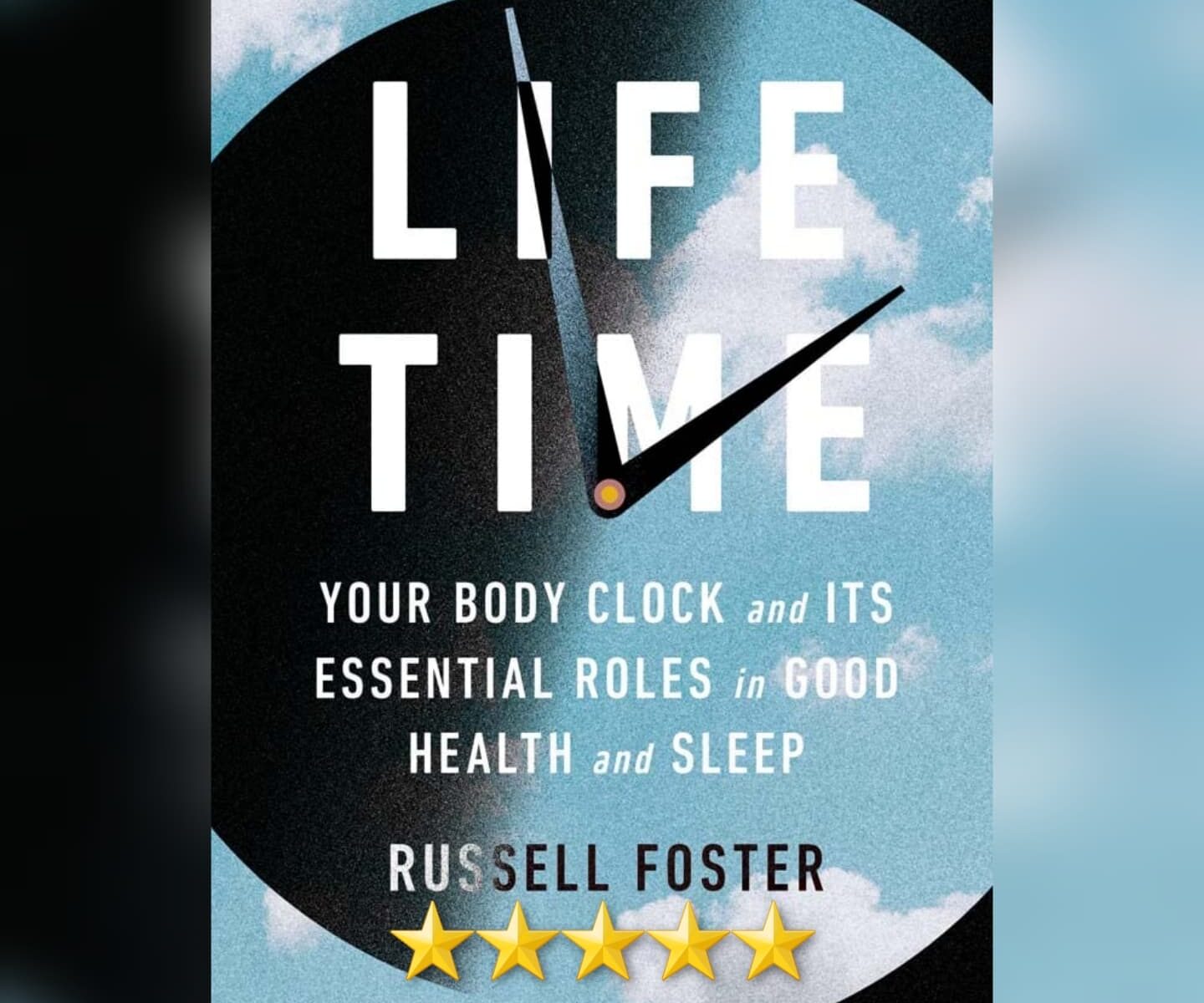
#BookReview: Life Time by Russell Foster

Approachable Combination Of Science And Self-Help. This book is exactly what I said in the title – an approachable combination of the hard science (explained in such a way that anyone with a roughly high school education should be able to follow along reasonably well enough) and practical self-help type recommendations showing just how much sleep and the circadian rhythm affect virtually everything about the human mind and body, even down to things we may not associate with them such as cardiovascular troubles or the effectiveness of cancer treatments. It doesn’t hurt that includes one of my favorite short jokes at the beginning of one of the chapters as well. 🙂 Clocking in at around 29% bibliography, the narrative here uses a sequential numbering system for its footnotes that I distinctly remember was at least approaching – and may have surpassed – 600 individual citations. It also has an almost “FAQ” section at the end of each chapter, briefly answering common questions the author has encountered about the ideas discussed in that specific chapter. An excellent book for anyone seeking information about this topic, particularly those who may have questions about how sleep and circadian rhythms could potentially be affecting their own health. Very much recommended.

This review of Life Time by Russell Foster was originally written on August 28, 2022.

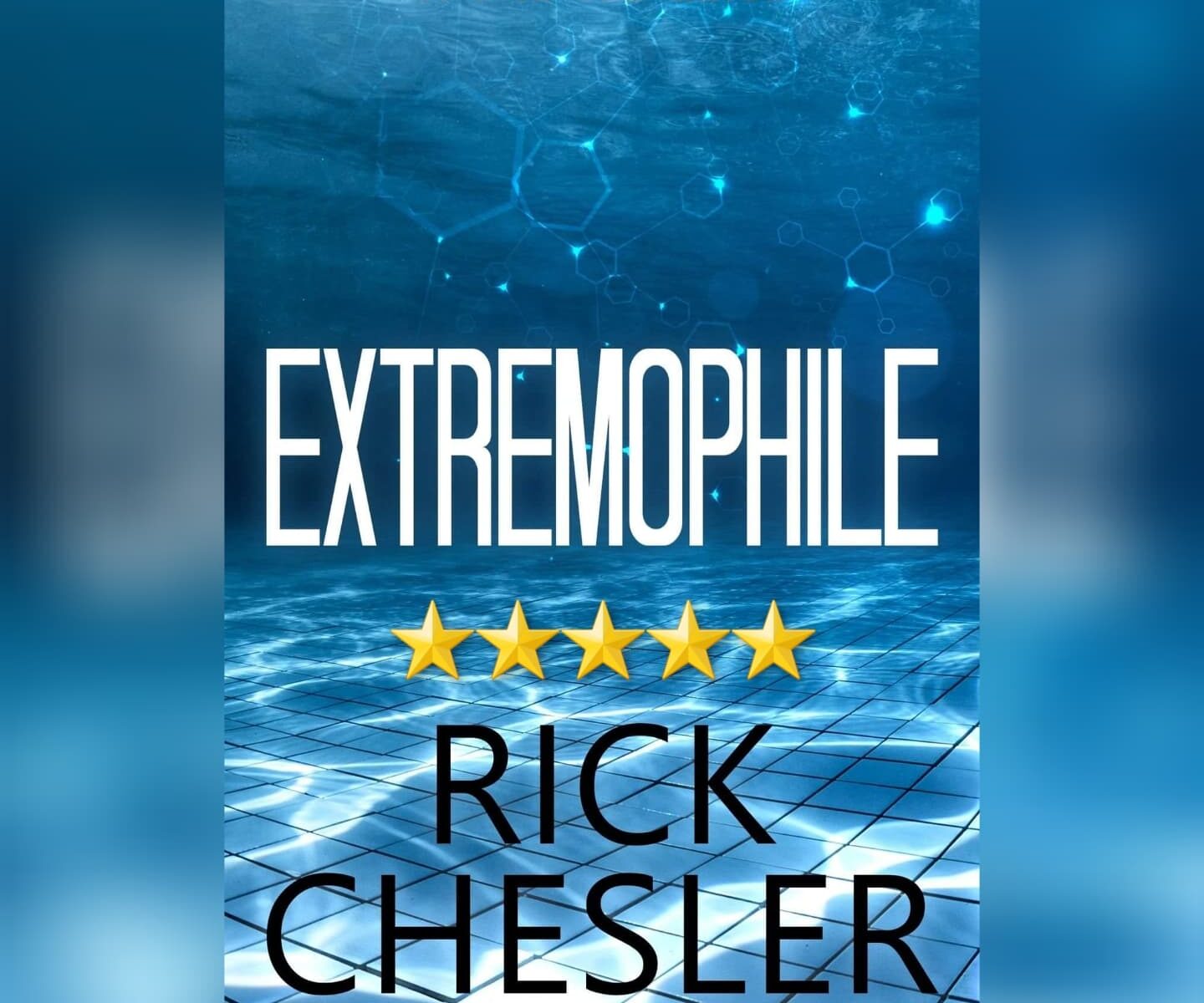
Featured New Release Of The Week: Extremophile by Rick Chesler

This week we’re looking at arguably the closest Rick Chesler has come to date of telling a tale one would nearly swear could have been written by the late great Michael Crichton. This week, we’re looking at Extremophile by Rick Chesler.

Here’s what I had to say on Goodreads:

Welcome To Our Ool. Notice There Is No “P” In It. Seriously though, after reading this book you’re never going to look at getting into a pool the same again – and certainly will be particularly careful about any sudden urges to just urinate in one. 😉 Overall a very fun, nearly Crichton-esque, adventure tale of a biotech CEO desperate to save his company and willing to go literally anywhere in the world to do so. And that ending. It won’t be for everyone, but dayum I loved it. Great, fun near future scifi adventure and a relatively short read at 230 ish pages. Perfect for a bit of summer thrills and escapism. Very much recommended.

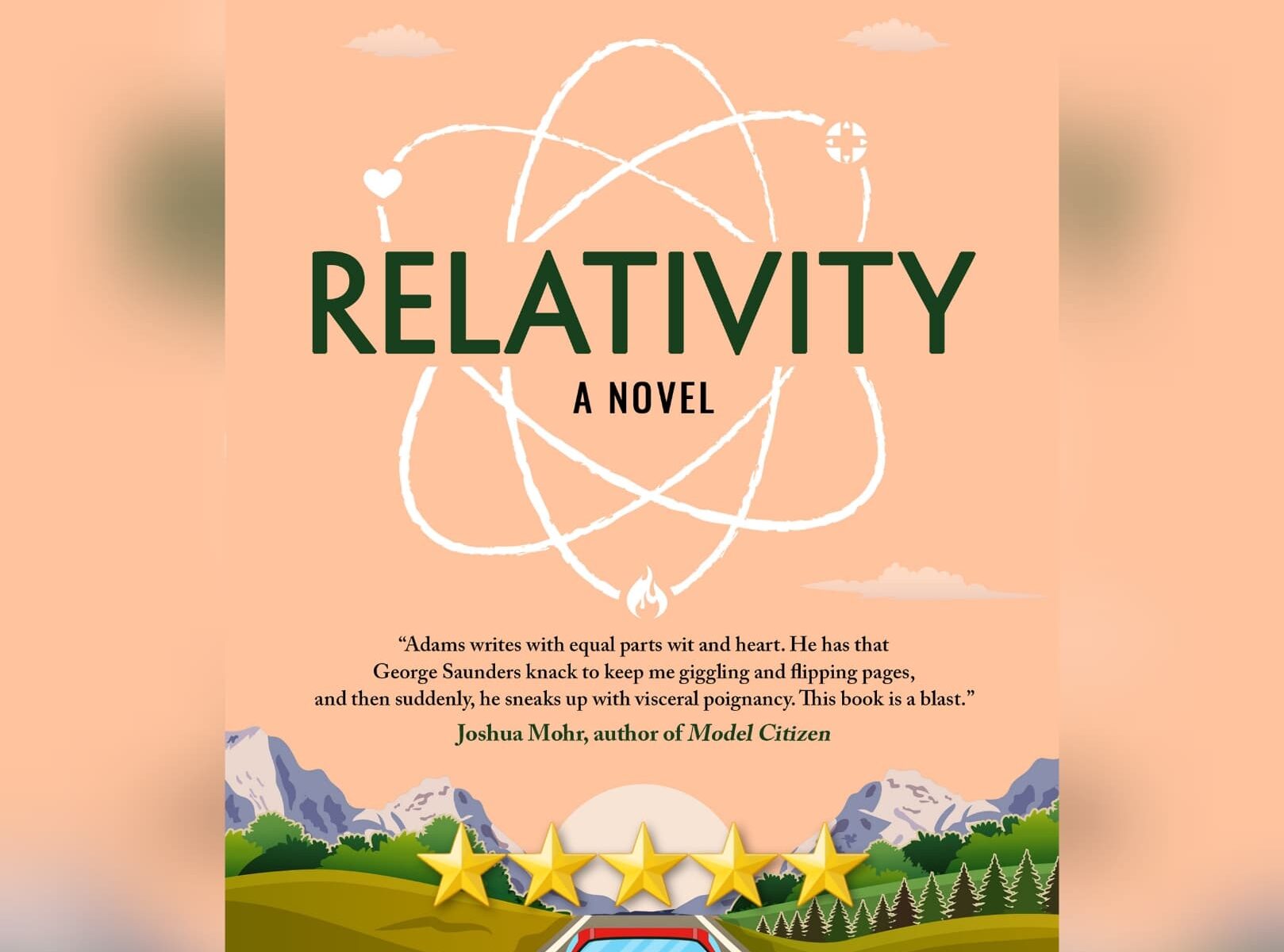
#BookReview: Relativity by Ben Adams

If Douglas Adams Wrote “Men’s Fiction”. Take the hilarity and wit that *Douglas* Adams was known for in his scifi and apply it instead to a tale of three middle aged men each having distinct mid-life crises that all get wrapped up in each other… and you basically have this book. More of a “men’s fiction” tale that explores similar themes as the better known “women’s fiction” genre, but focusing on the guys rather than the gals, this is a wild romp with heart – and a relatively short read at under 250 pages to boot. Adams manages to pack quite a tale within that lower page count though, and the laughs are on nearly every page. Truly a more lighthearted and off-the-wall book that many may need in trying times. Very much recommended.

This review of Relativity by Ben Adams was originally written on May 26, 2022.

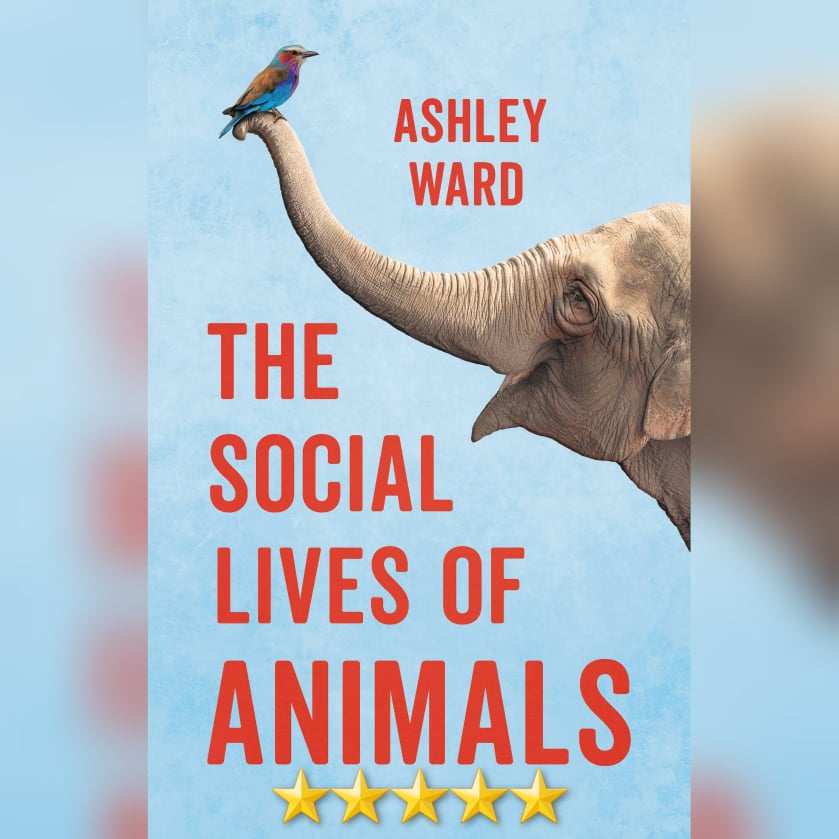
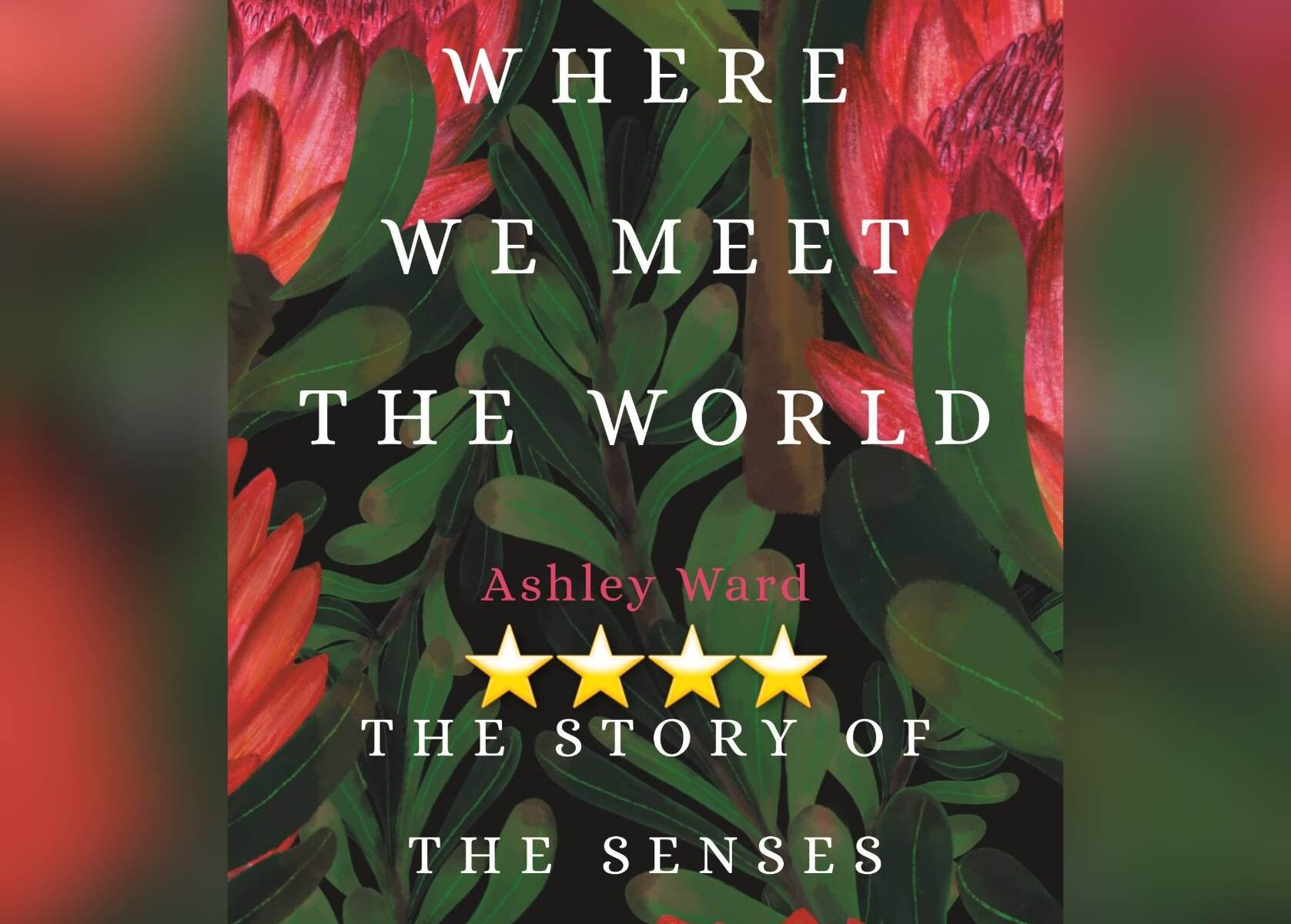
#BookReview: The Social Lives Of Animals by Ashley Ward

Wild Romp. This is a book that takes us on a wild adventure across the planet as we see the societies various animals have built, from the smallest Antarctic krill to the large Orcas and Humpback whales to the largest land animals out there – the African Elephant. Fascinating in breadth (though with a dearth of bibliography, as the Advance copy I read only contained about 9% bibliography compared to 3x that amount being more typical, even in early copies) and often hilarious in approach, this is a book that lovers of any animal great or small are going to want to check out. Though I *would* be careful with younger readers (and apparently there is a children’s edition already being planned), as the primate chapter in particular gets a bit salacious. Apparently you can’t talk about baboon social life without talking about just how promiscuous – and “pansexual”, to put a human label on it – they are. Other than that particular section though, most anything here is about the same as anyone will hear on TV / at work / at school as far as “bad” language goes. Truly a fun tale that never gets too academic and yet manages to present quite a few (presumed, see note about bibliography above) facts that are likely new to most readers. Very much recommended.

This review of The Social Lives Of Animals by Ashley Ward was originally written on February 26, 2022.

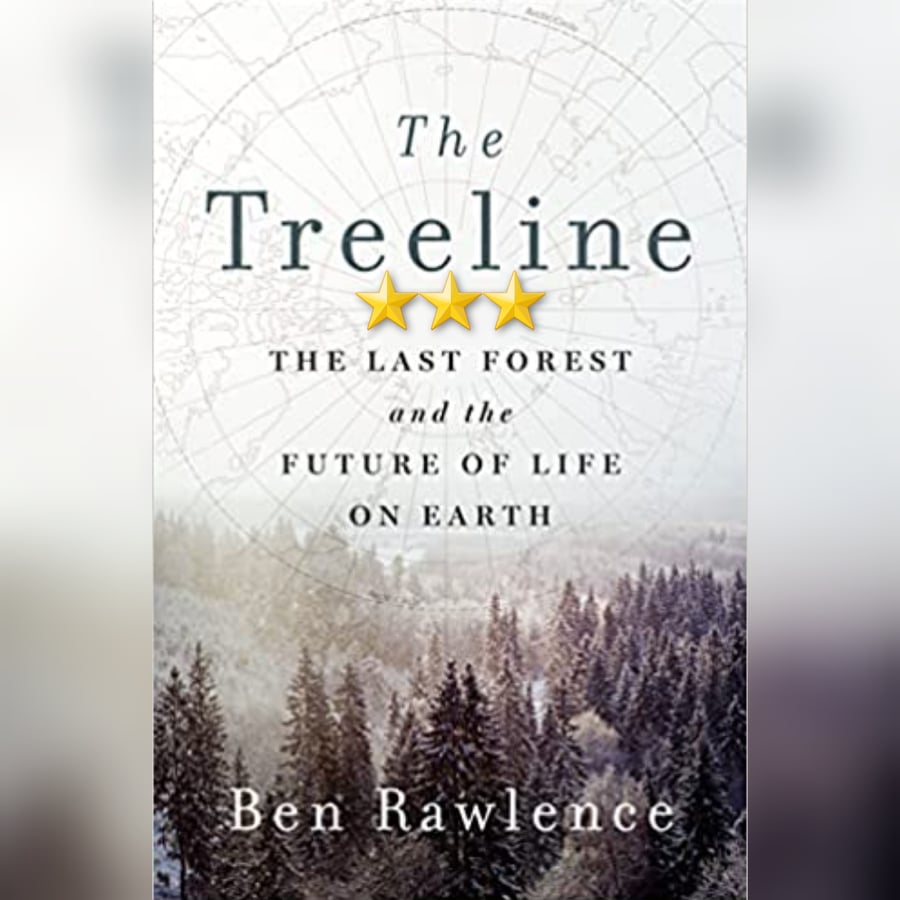
#BookReview: The Treeline by Ben Rawlence

Lyrical Anthropological Examination That Needs Better Scientific Documentation. When Rawlence is describing the people and peoples he is traveling to and among, he has such a lyrical quality to his prose here that it really is quite beautiful – these are the best parts of this book. However, Rawlence is also quite the pessimist about human action and survival, going on at one point to proclaim that Earth would be better off without humanity. While this is not an unheard of proposition, fantastical claims like that require substantial documentation – and documentation is what this text sorely lacks, clocking in at barely 10% of the overall text (25-30% being more “normal”, and I’ve read books making far less fantastical claims clocking in north of 40% documentation). Ultimately, your opinion of the book is likely going to depend on whether you agree with Rawlence’s politics and philosophies, though, again, the writing when he is *not* speaking to these really is quite beautiful. Still, even in what he does present and even with the lack of documentation, this is a book that needs to be read by most anyone speaking to any level of climate science, as he does bring up some truly valid points here and there. Recommended.

This review of The Treeline by Ben Rawlence was originally written on February 13, 2022.

#BookReview: The Language Game by Morten H Christiansen and Nick Chater

Fascinating. This is a book that basically argues that Noam Chomsky had some great ideas, but ultimately was quite a bit wrong and quite a bit off. And yes, that is an oversimplification explicitly designed (by me) to hook you into reading this book while also giving you an idea of the ultimate direction here. The authors are consistently afraid of “anarchy” *even while actually touting its exact benefits* – their entire argument is that language (and humanity) evolve best and most usefully outside of the bounds of rules (and thus outside the bounds of rulers – and since the literal definition of “anarchy” is “without rulers”… 😉 ). Which is where they ultimately come into conflict with Chomsky’s ideas of a universal language and a universal grammar machine. For someone that is decently educated but well outside the specific field at hand (Bachelor of Science in Computer Science), I found this to be a solid examination of the topic in language that I could easily follow- whenever technical discussions within the field were at hand, Christiansen and Chater did a solid job of using their running metaphor of a game of charades to explain the differences and similarities in what they were describing using a system that so many of us know fairly well and can relate to very easily. As I said in the title here, truly a fascinating book, one anyone “of the word” – and thus, any reader, since we are *all* people “of the word” – should read. Very much recommended.

This review of The Language Game by Morten H Christiansen and Nick Chater was originally written on December 1, 2021.

#BookReview: The Genome Defense by Jorge L Contreras

Dense Yet Enlightening. If you’re like me and don’t like taking books across into a new month, I do *not* recommend trying to read this on the last day of the month while still working or having virtually any other obligation. Though its bibliography is a touch low at just 17% of this advanced copy (and it has numerous problems, at least in this form, of saying something like “the industry spent $ billions of dollars” without actually giving the number – a problem I’ve never noted before in any other such text), much of the reason for that is that the author himself conducted so many interviews and consulted the public court records so much, so at least there is that on that particular point. Beyond its sourcing though, this is truly a fascinating yet *dense* look at the particular issue of the AMP v Myriad patent lawsuit that eventually became a landmark Supreme Court of the United States case, detailing its full history and the personnel involved, at least insofar as their personal involvement with the case goes. (Vs other similar books looking at a particular issue like this, where full biographies of the personnel are given. Here, just enough biography is given to establish who this person is within context of this issue and their motivations surrounding it, without giving their full life stories outside of events connected to this exact case.) You may say to yourself “this is just 350 or so effective pages, that is an easy day’s read”. IT. IS. NOT. I cannot reiterate enough just how dense (yet truly readable and fascinating) this book is. Almost as though it seems to try to pack in double the amount of words of a book of similar length. Still, it is truly compelling, truly comprehensive, and truly well written, and for this it is very much recommended.

This review of The Genome Defense by Jorge L Contreras was originally written on October 1, 2021.